Banner ads remain one of the most widely used digital advertising formats, even as video, native, and social ads continue to grow.
Despite repeated claims that they are “dead,” banner ads still account for a significant share of display advertising spend because they are scalable, measurable, and adaptable across platforms.
In 2026, banner ads are less about flashy visuals and more about strategic placement, audience relevance, and performance optimization.
At their core, banner ads are visual advertisements placed within websites, apps, or digital platforms to promote products, services, or brands.
They typically appear at the top, bottom, or sides of a webpage and are designed to drive clicks or impressions.
Over time, banner ads have evolved from static images into responsive, animated, and data-driven units that adjust based on user behavior and device type.
The effectiveness of banner ads depends heavily on how well they are aligned with user intent, platform context, and pricing models.
Advertisers and publishers alike rely on banner ads because they offer predictable monetization paths, whether through cost-per-click, cost-per-thousand-impressions, or performance-based payouts.
Understanding how banner ads function, how revenue flows, and how different formats perform is essential for anyone looking to use them effectively in 2026.
Understanding How Banner Ads Work in Modern Advertising
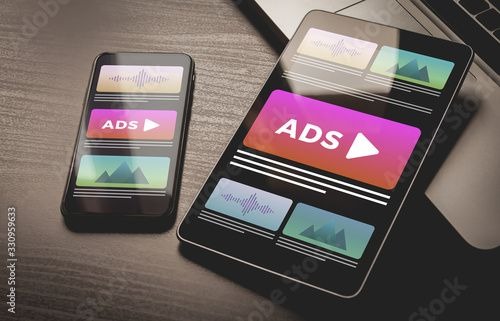
Banner ads operate within the broader display advertising ecosystem, which includes ad networks, demand-side platforms, supply-side platforms, and publishers.
When a user loads a webpage, an automated auction often determines which banner ads appear in available ad slots.
This process happens in milliseconds and is driven by targeting criteria, bid values, and relevance signals.
Most banner ads are delivered through platforms like Google Display Network, Media.net, or programmatic exchanges that match advertisers with publishers.
Advertisers upload creatives, define audience parameters, and set budgets, while publishers allocate ad space on their sites.
The system prioritizes ads that are likely to perform well based on historical engagement, relevance, and bid competitiveness.
In practice, banner ads are designed to capture attention without interrupting the user experience.
This is why modern banner ads emphasize clarity, simplicity, and alignment with page content.
Overly aggressive designs tend to underperform due to banner blindness, a phenomenon where users subconsciously ignore traditional ad placements.
Successful banner ads in 2026 rely more on relevance than visual intensity.
From a technical standpoint, banner ads are built using image files, HTML5, or responsive ad formats that adapt to screen sizes.
They are tracked using impression counts, click-through rates, and post-click actions.
These metrics help advertisers determine whether their banner ads are delivering value and allow publishers to optimize placement for higher earnings.
How Banner Ads Are Paid for and Priced
The way banner ads are paid for directly affects both advertiser strategy and publisher revenue. Payment models are structured to balance visibility, engagement, and performance outcomes.
The most common pricing structures used for banner ads include CPM (cost per thousand impressions), CPC (cost per click), and CPA (cost per action).
CPM-based banner ads pay publishers based on how many times an ad is shown, regardless of whether it is clicked.
This model is common for brand awareness campaigns where visibility matters more than immediate conversions.
Advertisers prefer CPM when they want broad exposure, while publishers benefit from predictable earnings tied to traffic volume.
CPC pricing shifts the focus to engagement. Advertisers only pay when a user clicks the banner ad, making this model attractive for performance-driven campaigns.
Publishers earn based on how compelling the banner ads are and how well they align with their audience.
Poorly targeted banner ads tend to generate low click-through rates, which directly reduces revenue under this model.
CPA-based banner ads are less common but still relevant in affiliate-driven ecosystems. In this case, payment only occurs when a user completes a specific action, such as a purchase or signup.
While CPA payouts are often higher, conversion rates are lower, making earnings less predictable for publishers.
Understanding these payment models allows advertisers to choose the right banner ads strategy while helping publishers optimize layouts for sustainable monetization.
How Much You Can Earn From Banner Ads
Earnings from banner ads depend on multiple variables, including traffic volume, audience location, niche competitiveness, and ad placement quality.
There is no fixed income range, but patterns across the industry reveal what is realistically achievable.
Websites with low traffic and broad, non-commercial audiences typically earn modest amounts from banner ads.
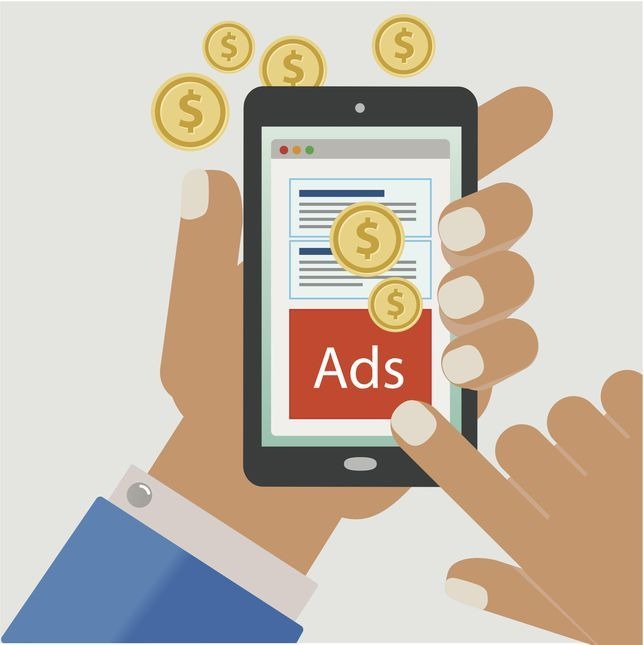
In these cases, CPM rates may range from a few cents to a few dollars, resulting in limited revenue unless traffic scales significantly.
On the other hand, niche websites with high buyer intent—such as finance, SaaS, or health—often command higher CPMs and CPCs.
Geography also plays a major role. Traffic from countries like the United States, Canada, and parts of Europe tends to generate higher banner ad revenue compared to traffic from lower-ad-spend regions.
Advertisers are willing to pay more to reach audiences with stronger purchasing power.
Placement and viewability further influence earnings. Banner ads placed above the fold or within content generally perform better than those buried at the bottom of a page.
Ads that are viewable for longer durations also attract higher bids in programmatic auctions.
Google AdSense provides publishers with benchmarks and performance guidance based on site category and traffic behavior
While banner ads alone rarely create explosive income, they offer steady, scalable revenue when paired with consistent traffic and strategic optimization.
Different Types of Banner Ads and Their Performance
Banner ads come in multiple formats, each designed for specific placement and engagement goals.
The most common banner ads include leaderboard ads, rectangle ads, skyscraper ads, and responsive display ads.
Leaderboard banner ads typically appear at the top of webpages and benefit from high visibility.
These banner ads are often used for brand campaigns and tend to attract higher CPMs due to their prime placement.
However, performance depends heavily on how well the creative aligns with page content.
Rectangle banner ads, especially medium rectangles, are widely used within article layouts. These banner ads often generate higher click-through rates because they blend more naturally with content flow.
Many publishers prioritize this format because it balances visibility with user experience.
Skyscraper banner ads appear along the sides of webpages and are designed for prolonged exposure as users scroll. While click-through rates may be lower, these banner ads are effective for repeated brand impressions.
Responsive banner ads automatically adjust size and layout based on device and screen dimensions.
In 2026, responsive banner ads dominate due to mobile-first browsing behavior. They reduce friction for advertisers and publishers by eliminating the need for multiple creatives.
The Interactive Advertising Bureau outlines standard banner ad sizes and best practices for performance consistency
Choosing the right banner ad type is less about trends and more about audience behavior and layout context.
Proven Ways to Increase Banner Ad Click-Through Rates
Improving banner ad performance starts with relevance. Banner ads that match the intent and expectations of the surrounding content consistently outperform generic creatives.
Contextual targeting has regained importance as privacy regulations reduce reliance on third-party data.
Clear messaging is another performance driver. Banner ads with a single, focused value proposition tend to generate more clicks than ads overloaded with text.
Users should immediately understand what action the banner ad is prompting.
Design simplicity also matters. High-contrast colors, readable fonts, and clear calls-to-action help banner ads stand out without overwhelming users.
Overdesigned banner ads often suffer from reduced trust and lower engagement.
Placement optimization is equally critical. Testing banner ads in multiple positions allows publishers to identify high-performing zones.
Small layout changes can lead to measurable improvements in click-through rates and earnings.
These improvements compound over time, making banner ads more effective without increasing traffic.
The Role of Banner Ads in a Broader Monetization Strategy
Banner ads are most effective when integrated into a diversified monetization approach. Relying exclusively on banner ads exposes publishers to market fluctuations, CPM volatility, and algorithmic changes.
However, as part of a layered strategy, banner ads provide baseline revenue stability.
Many publishers combine banner ads with affiliate links, sponsored content, or subscription models. In this setup, banner ads monetize passive users while other channels capture high-intent conversions.
This balance reduces pressure to over-optimize ad density, which can harm user experience.
Advertisers also benefit from combining banner ads with retargeting and funnel-based campaigns.
Banner ads often serve as the first touchpoint, reinforcing brand recognition before users convert through other channels.
Understanding where banner ads fit within the broader ecosystem helps both advertisers and publishers set realistic expectations.
Conclusion
Banner ads continue to be a foundational element of digital advertising because they are flexible, measurable, and scalable.
While they no longer operate as standalone growth engines, they remain highly effective when aligned with audience intent, pricing models, and performance optimization.
In 2026, success with banner ads depends less on aggressive tactics and more on strategic execution.
Clear messaging, thoughtful placement, and realistic revenue expectations separate effective banner ads from underperforming ones.
Whether used for monetization or promotion, banner ads remain relevant—not because they are flashy, but because they work when implemented correctly.