When managing digital advertising campaigns, one of the most frustrating challenges is dealing with discrepancies in data between GA4 and Google Ads.
These two platforms are often relied upon to track performance and provide insights into how well ad campaigns are doing.
However, it’s common to see differing numbers for conversions, revenue, and user behavior.
This GA4 and Google Ads discrepancy can cause confusion, making it difficult to gauge the true effectiveness of your ads.
The reason behind these discrepancies lies in the fundamental differences in how both tools track and attribute user interactions.
While Google Ads focuses primarily on paid traffic and measures conversions directly linked to ads, GA4 tracks a broader range of interactions on your website or app, including both organic and paid sources.
Additionally, each platform uses different attribution models, which often leads to varying data reports.
Understanding the root cause of these discrepancies is key to resolving them.
Whether it’s due to misconfigured tracking, differing attribution methods, or data integration issues, knowing how to fix the gap between GA4 and Google Ads is crucial for ensuring accurate campaign performance tracking and improving your overall marketing strategy.
What is GA4 and Google Ads Discrepancy?
To dive deeper into the GA4 and Google Ads discrepancy, it’s important to understand what each tool measures and how it processes user data.
Google Ads tracks the performance of ad campaigns and the interactions users have with those ads.
This means it counts every click, impression, and conversion that can be directly attributed to an ad.
GA4, however, is a more comprehensive platform. It doesn’t just focus on ad traffic; it tracks every user interaction on your website or app.
From page views to button clicks to form submissions, GA4 measures a wide range of events.
This event-based model gives more insight into user behavior, but it also means GA4 can capture conversions that Google Ads might miss, like those that occur after a user has interacted with multiple ads or a long sales cycle.
Understanding these fundamental differences helps explain why the numbers between these two platforms often don’t match.
GA4 may show a higher number of conversions because it considers more touchpoints, while Google Ads reports fewer conversions as it focuses on the last-click interaction.
The Strongest Correlation Between Google Ads and Google Analytics
Despite their differences, GA4 and Google Ads do share a strong correlation when used correctly.
The most notable correlation is their ability to track conversions and revenue, albeit in slightly different ways.
When you link your Google Ads account to GA4, you can view Google Ads performance data directly within the GA4 interface.
This provides valuable insights into how paid traffic is interacting with your site, how users engage with content, and what the conversion rates are.
By comparing data from both platforms, you can get a clearer picture of the user journey.
For example, if you notice that Google Ads reports more conversions than GA4, it could be because GA4 is attributing some conversions to multiple touchpoints, while Google Ads is only attributing them to the last click.
To bridge the gap between GA4 and Google Ads, ensure that your tracking setup is accurate, and align your attribution models across both platforms.
Why is Google Ads Traffic Not Showing in GA4?
One of the most common questions that arise is why Google Ads traffic isn’t showing in GA4.
The reason for this is often linked to improper configuration or tracking setup issues. If you’re not seeing Google Ads traffic in GA4, there could be several underlying causes:
#1. Missing or Incorrect Tracking Code: GA4 relies on event-based tracking, so ensure that your GA4 tracking code is installed properly across all pages of your website.
If the tracking code is missing or incorrect, GA4 won’t be able to track user interactions, including Google Ads traffic.
#2. Linking Issues: If you haven’t linked your Google Ads account with GA4, Google Ads traffic won’t show up in your analytics reports. This linking ensures that both platforms can share data and provide a comprehensive view of user behavior.
#3. Attribution Model Differences: As mentioned earlier, the attribution models between GA4 and Google Ads differ.
If you’re not seeing Google Ads traffic in GA4, it could be because GA4 attributes the conversion to multiple touchpoints, while Google Ads is only attributing it to the last click.
This can cause some conversions to not appear as Google Ads traffic in GA4.
To fix this, make sure both platforms are properly linked and that your tracking codes are correctly implemented across all pages.
This will ensure that Google Ads traffic appears in GA4, allowing you to get more accurate insights into your campaign performance.
Are GA4 and Google Ads the Same?
While both GA4 and Google Ads are essential tools for tracking digital marketing performance, they serve different purposes and are not the same.
Google Ads is specifically designed to manage and track paid advertising campaigns, focusing on ad performance metrics such as clicks, impressions, and conversions from paid traffic.
GA4, however, is a broader tool used for tracking overall website and app performance.
It captures data on all user interactions, including organic traffic, paid traffic, and other events on your site.
GA4 offers a more holistic view of user behavior across different touchpoints, making it a powerful tool for analyzing how users interact with your content beyond just paid ads.
While they aren’t the same, when used together, GA4 and Google Ads can provide a comprehensive view of your marketing efforts.
Linking the two platforms ensures that your ad performance data flows seamlessly into GA4, giving you a complete picture of your user journey and conversion paths.
What Are the Disadvantages of GA4?
While GA4 offers numerous advantages over its predecessor, Universal Analytics, it does have some disadvantages that you should be aware of, especially when trying to resolve the GA4 and Google Ads discrepancy.
#1. Steeper Learning Curve: GA4’s event-based tracking system can be confusing for users who are accustomed to the pageview-based tracking in Universal Analytics.
The new interface and features require some time to get used to, which can be a barrier for beginners.
#2. Limited Historical Data: Since GA4 is a new platform, it doesn’t carry over the historical data from Universal Analytics.
This means you’ll need to start fresh when setting up GA4, which can be frustrating if you’re accustomed to having access to years of data.
#3. Configuration Complexity: While GA4 offers greater flexibility in terms of event tracking and custom reports, this also makes the setup process more complex.
You’ll need to ensure that your tracking is set up correctly, especially when integrating it with Google Ads, to avoid discrepancies in data.
#4. Less Support for Ecommerce: Although GA4 has made significant strides in supporting ecommerce tracking, it’s still not as robust as Universal Analytics for ecommerce-specific reports. If you rely heavily on ecommerce data, you may encounter some limitations with GA4.
Despite these disadvantages, GA4 remains an essential tool for tracking user interactions and providing valuable insights.
By addressing setup issues and ensuring proper configuration, you can minimize discrepancies between GA4 and Google Ads and make the most of both platforms.
How to Align Attribution Models Between GA4 and Google Ads to Minimize Discrepancies
One of the primary causes of the GA4 and Google Ads discrepancy is the difference in attribution models used by each platform.
Google Ads generally uses a last-click attribution model, where conversions are credited to the last ad interaction before the conversion.
GA4, on the other hand, employs an event-based attribution model that considers multiple touchpoints throughout the user journey.
This can lead to a situation where GA4 attributes a conversion to various interactions, while Google Ads attributes it solely to the final ad click.
To minimize these discrepancies, aligning attribution models across both platforms is essential.
Fortunately, Google Ads allows you to customize your attribution model, offering options like linear attribution, time decay, or data-driven attribution, which can provide more accurate insights when compared to GA4’s event-based system.
By using similar models on both platforms, you can create more consistent data across both tools, which will help you understand the true impact of your advertising efforts.
By adjusting your attribution settings in Google Ads to reflect a model that captures more of the user journey, you’ll reduce the discrepancies between the two platforms, leading to more accurate reporting and more reliable decision-making for your campaigns.
Best Practices for Fixing Tracking Issues and Avoiding Discrepancies Between GA4 and Google Ads
The GA4 and Google Ads discrepancy can also arise due to improper tracking setups, which can result in data loss or misattribution.
Ensuring that both your Google Ads and GA4 accounts are correctly configured is crucial to avoid discrepancies in conversion tracking.
If tracking codes are missing or improperly set up, the platforms will fail to capture all interactions, leading to inaccurate data reporting.
A good starting point is to ensure that your Google Ads conversion tracking is properly implemented.
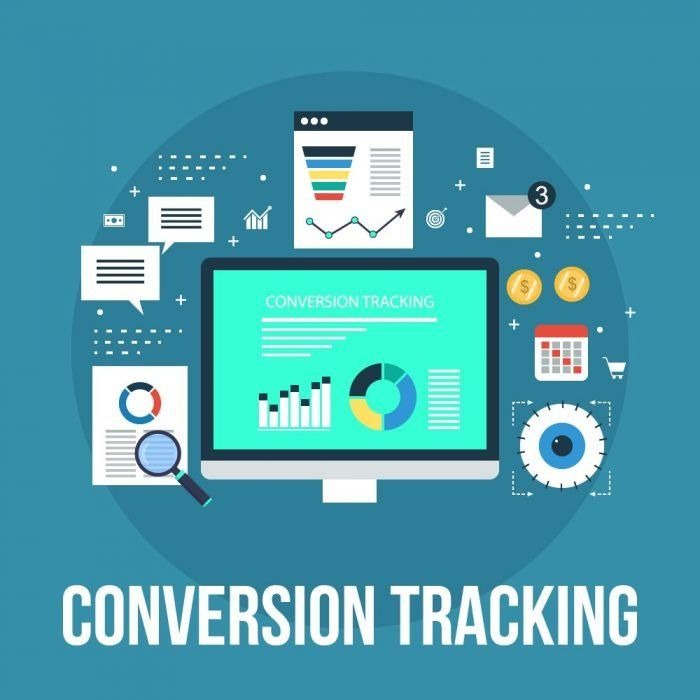
This includes ensuring that the tracking pixels are correctly placed on the relevant pages, such as the “Thank You” or confirmation page after a conversion.
Similarly, make sure that GA4 event tracking is set up properly for each relevant interaction, including page views, form submissions, and other important user actions.
To address tracking issues, it’s also critical to perform regular audits of both platforms.
Check if the Google Ads tracking code is firing correctly, and ensure that GA4 is capturing all relevant events.
Regular audits will help you catch issues before they lead to significant discrepancies.
Additionally, linking your Google Ads and GA4 accounts ensures data flows seamlessly between the two, reducing the likelihood of missing or incorrect data.
With a proper setup, you can be confident that the data from both platforms aligns more closely, reducing discrepancies and providing a clearer view of your marketing performance.
Conclusion
Understanding and resolving the GA4 and Google Ads discrepancy is crucial for anyone running paid ad campaigns.
While both platforms provide valuable data, they measure different aspects of user behavior, leading to differences in conversion counts and attribution models.
By properly linking your Google Ads account to GA4, ensuring accurate tracking codes, and aligning your attribution models, you can bridge the gap between these two platforms and gain more accurate insights into your ad performance.
Incorporating both GA4 and Google Ads into your tracking strategy will provide a comprehensive view of your campaigns and user behavior.
With the right setup, you’ll be able to solve tracking issues and achieve more reliable, actionable data to optimize your campaigns and drive better results.