Understanding the types of product advertising is no longer optional for brands that want sustainable growth.
In 2026, the difference between stagnant sales and scalable performance often comes down to how well a company selects and executes its advertising strategy.
Whether you are promoting physical goods, digital services, SaaS tools, or consumer packaged goods, the structure behind your advertising of any product determines reach, cost efficiency, and conversion potential.
At its core, product advertising is the strategic promotion of specific products to a defined audience with the goal of generating awareness, demand, and sales.
Unlike institutional or brand advertising, which builds long-term perception, product-focused campaigns highlight features, benefits, pricing, differentiation, and direct calls to action.
According to the American Marketing Association, advertising is a paid, non-personal presentation of ideas, goods, or services by an identified sponsor
Product campaigns fall directly within this definition but focus on driving measurable outcomes.
As online advertising continues to dominate global spend—surpassing traditional media in most markets—businesses must understand how different formats work across online advertising platforms such as Google Ads, Meta Ads, TikTok Ads, LinkedIn Ads, and retail networks like Amazon Ads.
Choosing the wrong structure can mean wasted budget. Choosing the right one can unlock scalable growth.
Types of Product Advertising With Examples

Understanding the types of product advertising requires looking at both structure and execution across modern online advertising ecosystems.
Broadly, product advertising falls into several distinct strategic categories: informative, persuasive, reminder, promotional, native, and direct response.
Each serves a different role within the customer journey and performs differently depending on the products to advertise and the platform used.
Informative product ads are designed to educate. These campaigns focus on specifications, pricing models, and technical capabilities.
For example, SaaS brands frequently use Google Search ads within online advertising platforms to capture high-intent users actively researching solutions.
This form of advertisement of any product works best when buyers need clarity before purchasing.
Persuasive product ads emphasize competitive positioning. Brands often use video-based online advertising to demonstrate superiority, such as cleaning brands showcasing performance comparisons.
Reminder advertising relies heavily on retargeting within online advertising platforms like Meta, where product ads re-engage website visitors who did not convert.
Promotional advertising centers around urgency—discounts, limited-time offers, seasonal campaigns. Ecommerce brands frequently deploy these product ads through Google Shopping or Amazon Sponsored Products.
Native advertising blends product promotion into editorial or influencer content, while direct response advertising focuses strictly on measurable conversions.
Collectively, these types of product advertising allow brands to match strategy to buyer intent rather than relying on a single execution model.
Let’s expand on them.
#1. Informative Advertising and Product Education
One of the foundational types of product advertising is informative advertising. This approach focuses on educating the audience about what the product does, how it works, and why it matters.
It is particularly effective for new products, innovative tools, technical services, and categories where awareness is low.
Informative campaigns typically highlight specifications, pricing models, use cases, or comparisons.
For example, when a tech company launches a new software product, its product ads often include demo videos, explainer content, and feature breakdowns.
This strategy is common on online advertising platforms such as Google Search, where users actively look for solutions.
It makes informative product ads extremely powerful when aligned with high-intent keywords. If someone searches “best project management software for remote teams,” they are already evaluating products to advertise or purchase.
A strong advertisement of any product under this model includes:
#1. Clear problem identification
#2. Feature explanation
#3. Evidence (statistics, reviews, certifications)
#4. Direct call to action
A classic product advertising example is Apple’s product pages and launch campaigns, which clearly break down specifications and ecosystem integration.
While Apple also invests in emotional storytelling, its landing pages function as high-conversion informative ads.
For companies operating in B2B sectors, informative advertising often performs best across LinkedIn Ads and Google Search campaigns.
In B2C, product ads on YouTube or TikTok can educate quickly through short-form demonstration content.
Informative strategies remain one of the most reliable because they reduce friction in the buyer journey. When customers clearly understand value, conversion resistance drops.
#2. Persuasive Advertising and Competitive Positioning
Another critical category within the types of product advertising is persuasive advertising. Instead of simply presenting information, this strategy emphasizes differentiation and competitive advantage.
Persuasive campaigns are designed to influence preference. They may compare products directly or indirectly.
According to the Federal Trade Commission’s guidance on comparative advertising, comparative advertising is legal in the United States as long as claims are truthful and substantiated.
Brands frequently use persuasive product ads to highlight superiority in price, performance, or reliability.
For instance, a cleaning product brand may demonstrate how it removes stains faster than competitors. A SaaS tool might position itself as more affordable than legacy enterprise systems.
On online advertising platforms like Meta and TikTok, persuasive messaging is often delivered through video ads showing before-and-after results.
In ecommerce, persuasive strategies dominate product listing ads on platforms such as Amazon, where social proof and star ratings strongly influence purchasing decisions.
This form of advertisement of any product often includes:
#1. Customer testimonials
#2. Performance statistics
#3. Case studies
#4. Competitor comparisons
When selecting products to advertise under a persuasive model, focus on items with measurable differentiation. If the value proposition is vague, persuasion becomes difficult.
Among the major types of product advertising, persuasive campaigns are particularly effective in saturated markets where competition is high and switching costs are low.
#3. Reminder Advertising and Retargeting Campaigns
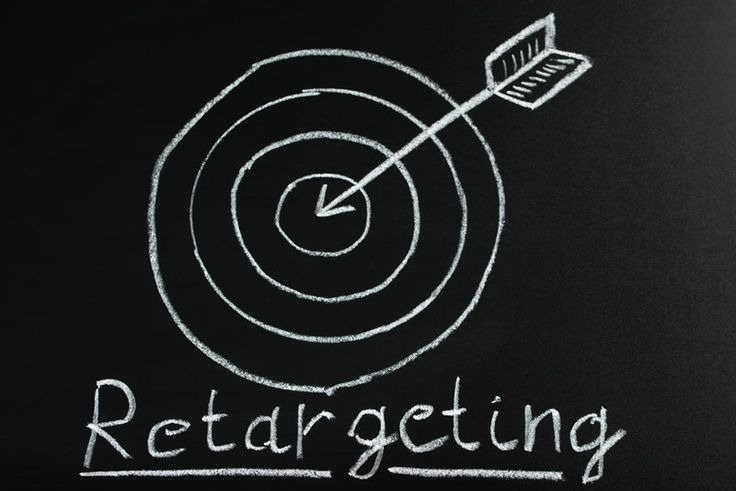
Reminder advertising is one of the most underappreciated types of product advertising, yet it consistently delivers strong ROI. Its purpose is to maintain awareness among customers who already know the product.
This strategy thrives in online advertising environments. Retargeting, powered by tracking technologies like the Meta Pixel or Google Ads remarketing tag, allows businesses to show product ads to users who previously visited their website.
These campaigns often produce higher conversion rates because they target warm audiences.
Reminder-based advertisement of any product may include:
#1. Cart abandonment ads
#2. Repeat purchase prompts
#3. Subscription renewal reminders
#4. Cross-sell or upsell suggestions
For ecommerce brands deciding which products to advertise, reminder campaigns typically prioritize high-margin or frequently repurchased items.
Among the types of product advertising, reminder campaigns require less educational effort. The audience already understands the offer. The goal is simply to bring the product back into focus at the right time.
#4. Emotional Advertising and Brand-Driven Product Campaigns
While some types of product advertising rely heavily on logic, emotional advertising leverages psychological triggers.
Emotional product ads often focus less on features and more on lifestyle, identity, and aspiration. Fashion brands, automotive companies, and fitness products commonly use this strategy.
An effective advertisement of any product using emotional appeal will:
#1. Associate the product with a desirable outcome
#2. Use storytelling in short-form video
#3. Integrate music and visual cues
#4. Reinforce identity alignment
Online advertising platforms such as Instagram and TikTok are particularly suited for emotional product ads because of their visual nature.
When evaluating products to advertise emotionally, choose those that connect to status, health, relationships, or achievement. Commodity items rarely perform well under purely emotional strategies.
Emotional campaigns remain one of the most powerful types of product advertising because they influence perception beyond rational evaluation.
#5. Promotional Advertising and Limited-Time Offers
Promotional advertising focuses on urgency. This category within the types of product advertising revolves around discounts, flash sales, bundle deals, and seasonal promotions.
According to data from the National Retail Federation, promotional campaigns significantly drive peak-season revenue. Limited-time offers trigger urgency and reduce purchase hesitation.
Common promotional product ads include:
#1. Percentage discounts
#2. Buy-one-get-one offers
#3. Free shipping thresholds
#4. Countdown timers
On online advertising platforms, urgency-based messaging performs especially well in ecommerce and DTC brands.
Google Shopping ads, Meta catalog sales campaigns, and Amazon Sponsored Products are prime examples of promotional advertising execution.
When selecting products to advertise under this model, prioritize items with healthy margins. Aggressive discounting without margin control can erode profitability.
Among the major types of product advertising, promotional campaigns often deliver short-term spikes but require careful budgeting to remain sustainable.
#6. Native Advertising and Sponsored Content
Native advertising integrates product promotion seamlessly into content environments. This strategy is one of the fastest-growing types of product advertising, particularly in digital publishing.
Native ads match the form and function of the platform in which they appear. Examples include sponsored articles, influencer collaborations, and in-feed social ads.
An effective advertisement of any product through native channels avoids disruptive formats. Instead, it blends into the content ecosystem.
Product advertising examples include:
#1. Influencer reviews of tech gadgets
#2. Sponsored editorial pieces about skincare routines
#3. YouTube product integrations
Online advertising platforms such as Taboola and Outbrain specialize in native distribution. Social media networks also offer in-feed formats that function as native placements.
Native remains one of the most strategic types of product advertising when trust and credibility are key decision factors.
#7. Direct Response Advertising and Performance Campaigns
Direct response advertising focuses on measurable outcomes: clicks, leads, and purchases. This approach dominates modern online advertising ecosystems.
Among the types of product advertising, direct response strategies rely heavily on analytics, A/B testing, and optimization.
Product ads under this model typically include:
#1. Strong call-to-action buttons
#2. Performance tracking pixels
#3. Conversion-optimized landing pages
#4. Structured testing frameworks
When deciding which products to advertise through direct response campaigns, prioritize items with proven demand and clear purchase paths.
Because online advertising platforms provide granular targeting and reporting, direct response remains one of the most scalable types of product advertising available today.
Product Advertising Examples Across Digital Channels
Concrete product advertising examples demonstrate how the types of product advertising operate in real-world scenarios across online advertising platforms.
Consider Apple’s iPhone launch campaigns: they combine informative advertising (technical specs), emotional storytelling (cinematic visuals), and persuasive messaging (camera superiority claims).
That layered execution illustrates how multiple product ads formats reinforce each other.
In ecommerce, Amazon Sponsored Products serve as high-intent direct response product ads. When users search for specific products to advertise or purchase, sponsored listings appear directly in results.
This form of online advertising captures demand at the decision stage, making it one of the most conversion-driven examples of advertising of any product.
Nike frequently uses emotional and persuasive online advertising on platforms like Instagram and YouTube.
Its product ads rarely focus solely on technical details; instead, they position products within achievement-driven narratives, increasing brand preference and perceived value.
Subscription brands such as Dollar Shave Club demonstrate promotional product advertising examples through introductory discounts and bundle pricing campaigns.
These product ads typically run across Meta and Google Display networks, blending urgency with retargeting strategies.
These real-world product advertising examples reinforce that effective execution depends not just on creative quality, but on aligning the right types of product advertising with the appropriate platform, objective, and buyer stage.
Integrating Multiple Types of Product Advertising for Growth

The most effective brands rarely rely on only one of the types of product advertising. Instead, they combine strategies based on the funnel stage.
For example:
#1. Informative campaigns build awareness.
#2. Persuasive ads drive preference.
#3. Reminder campaigns close conversions.
#4. Promotional ads accelerate volume.
By strategically aligning products to advertise with the right advertising format, businesses create cohesive growth systems.
In 2026, successful advertising of any product requires integration across multiple online advertising platforms, including search, social, video, retail media, and display networks.
Understanding the full range of types of product advertising allows companies to deploy budget efficiently, reduce wasted spend, and maximize return on investment.
Growth does not happen randomly. It happens when strategy, channel selection, and product positioning align.
Conclusion
The types of product advertising you choose determine whether your campaigns generate passive impressions or measurable growth.
In 2026, effective advertising is no longer about simply placing product ads across as many channels as possible.
It is about aligning the right structure with the right products to advertise, using the right online advertising platforms, at the right stage of the buyer journey.
A well-executed advertisement of any product begins with clarity: is the goal education, persuasion, urgency, retention, or direct conversion? Informative campaigns build understanding.
Persuasive messaging builds preference. Reminder advertising reactivates intent. Promotional campaigns accelerate demand. Native placements increase credibility. Direct response models scale performance.
Modern online advertising environments reward precision. Platforms such as Google, Meta, TikTok, LinkedIn, and Amazon provide granular targeting, advanced analytics, and conversion optimization tools.
Businesses that understand the different types of product advertising can deploy these tools strategically rather than experimentally.
Growth does not come from chasing trends or copying competitors. It comes from structured execution.
When product ads are mapped intentionally to audience awareness levels and buying signals, performance compounds.
The brands that scale in 2026 will not be those spending the most. They will be the ones applying the right advertising model to the right product at the right time.