User-generated content used to be the shortcut brands took when budgets were tight. In 2025, it’s the backbone of serious growth.
Platforms now prioritize native, creator-led ads because they generate stronger engagement signals and hold attention longer than polished brand creatives.
But the moment spend increases, many campaigns stall. What worked at low budgets suddenly breaks, costs rise, and performance becomes inconsistent.
That’s where most teams realize that running UGC ads and scaling UGC ads in 2025 are two very different challenges.
Scaling today isn’t about finding more creators or launching more ads. It’s about building repeatable systems that survive automation, audience expansion, and creative fatigue.
Algorithms now make most targeting decisions, which means creative clarity, signal quality, and production velocity matter more than ever. Without structure, increased spend only amplifies weaknesses.
Brands that scale successfully treat UGC as infrastructure, not experiments. They plan for turnover, control costs, and feed platforms consistent signals.
When those foundations are in place, growth becomes predictable instead of fragile—even as competition and CPMs continue to rise.
#1. Build a Creative System, Not One-Off UGC Ads

Scaling starts breaking down the moment UGC is treated as a single asset instead of a repeatable input.
When performance depends on one creator or one angle, results collapse as soon as frequency rises. Successful teams approach scaling UGC ads in 2025 as a creative supply chain.
That starts with standardizing briefs. Instead of asking creators to “be authentic,” winning brands define hooks, problems, proof points, and CTAs that can be remixed across dozens of videos.
Creators still deliver in their voice, but within a structure that makes testing scalable. This allows platforms to find patterns faster and reduces dependency on any single asset.
Another key factor is production velocity. Algorithms now reward accounts that feed them consistently. Brands scaling well typically introduce new UGC weekly, not monthly.
This doesn’t mean higher costs—it means smarter sourcing, tighter briefs, and faster turnaround cycles.
Many teams now repurpose high-performing scripts across different creators, accents, formats, and placements.
Creative categorization also matters. Grouping UGC by hook type, pain point, or awareness stage allows teams to spot drop-offs early.
When performance dips, they don’t guess—they know whether the issue is hook fatigue, message mismatch, or delivery style.
That level of clarity is essential when scaling UGC ads in 2025 under automation-heavy systems.
#2. Let the Algorithm Do the Targeting, Not the Qualification
Audience control continues to shrink. Interests disappear. Lookalikes blur. Platform algorithms increasingly decide who sees what—and UGC performs best when it’s allowed to travel widely.
The mistake many advertisers make is assuming this removes control. In reality, control shifts from targeting to creative qualification.
When scaling UGC ads in 2025, creatives must do the filtering. The opening seconds determine whether the platform keeps showing the ad to similar users or pulls back.
Clear problem statements, direct language, and specific outcomes help algorithms understand who should convert.
This also explains why vague lifestyle UGC often scales poorly. Broad appeal without clarity leads to cheap impressions but weak conversion signals.
Strong UGC names the problem early and frames the product as a solution without over-explaining. That clarity improves optimization far more than narrowing audiences ever did.
Placement expansion reinforces this shift. With automated placements now default, UGC must hold attention across feeds, stories, and short-form environments.
Ads that rely on captions or slow builds struggle. Brands winning at scaling UGC ads in 2025 design for sound-on, fast context, and immediate relevance.
#3. Optimize for Signal Stability Before Budget Increases
Scaling fails fastest when budgets rise faster than learning. Platforms still rely on conversion feedback, and noisy or inconsistent signals confuse optimization.
Before increasing spend, accounts need stable conversion data that reflects real business outcomes.
That means tracking high-quality events, not just volume. Purchases, qualified leads, or meaningful actions outperform shallow signals.
Clean event setup, deduplication, and server-side tracking now play a direct role in creative scalability. Without them, even strong UGC underperforms once spend increases.
Conversion volume also matters. Many teams attempt scaling UGC ads in 2025 without hitting minimum weekly conversion thresholds.
As a result, performance fluctuates wildly during budget changes. Consistency matters more than peak results.
Brands that scale successfully usually wait until performance stabilizes across multiple days and creatives before increasing budgets.
Gradual increases outperform sudden jumps. Incremental scaling allows algorithms to adapt without resetting learning.
This is especially important when UGC creative is rotated frequently. Stability in signals gives new creatives room to find their audience instead of being cut prematurely.
#4. Treat Creative Fatigue as a Predictable Variable
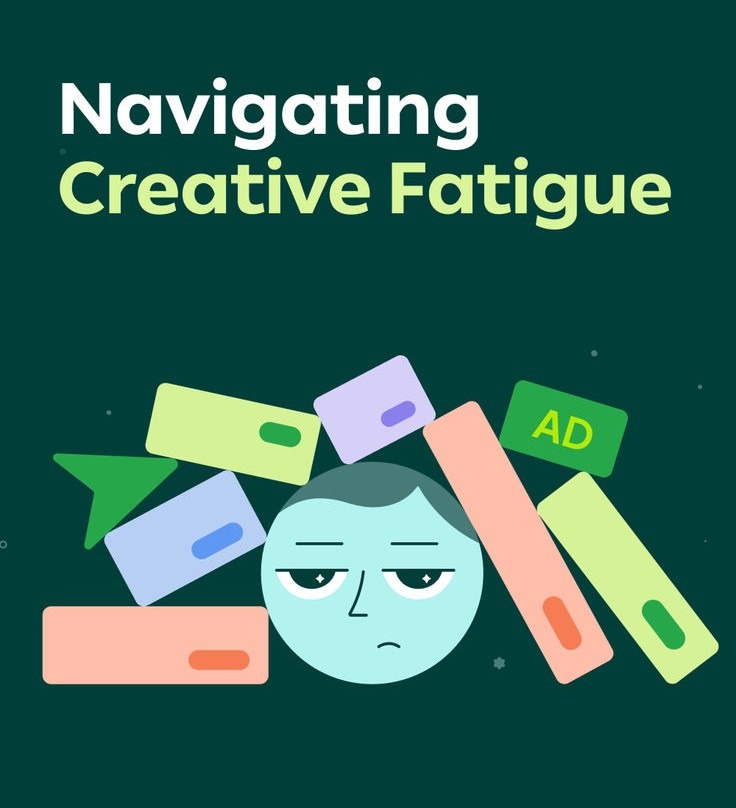
Creative fatigue isn’t a surprise—it’s a math problem. As spend increases, frequency rises, and attention drops.
The solution isn’t running ads longer or lowering budgets; it’s planning for replacement before performance declines.
Brands effective at scaling UGC ads in 2025 track creative lifespan by format and platform. Some hooks burn out in days, others last weeks.
The goal isn’t avoiding fatigue—it’s staying ahead of it. This requires a steady pipeline of fresh angles, not constant reinvention.
Minor variations often outperform entirely new concepts. Changing the opening line, switching the creator, or adjusting pacing can reset performance without restarting learning completely.
This approach reduces creative waste while maintaining testing momentum.
Creative fatigue also signals message saturation. When multiple UGC ads repeat the same promise, users disengage.
High-performing brands rotate between different problem frames and value propositions, even for the same product.
That variety keeps algorithms learning and audiences responsive as scale increases.
#5. Separate Testing From Scaling Campaigns
One of the biggest structural mistakes is mixing exploration and scaling. When testing creatives inside scaling campaigns, results blur and decision-making suffers. Clean separation improves clarity and protects performance.
Dedicated testing environments allow rapid experimentation without risking stable revenue.
Once a UGC concept proves consistency, it graduates into scaling campaigns with higher budgets.
This approach is common among brands successfully scaling UGC ads in 2025 because it aligns with how platforms learn.
Budget allocation reflects intent. Testing budgets absorb volatility; scaling budgets demand predictability.
Mixing the two leads to overreaction—killing ads too early or pushing spend too fast. Separation enforces discipline.
This structure also improves creative insights. Testing campaigns reveal which hooks, formats, and creators generate strong signals early. Scaling campaigns confirm durability.
Together, they form a loop that compounds performance rather than chasing spikes.
#6. Expand UGC Across the Funnel, Not Just Prospecting
UGC is no longer limited to top-of-funnel discovery. Brands scaling efficiently deploy creator content across retargeting, mid-funnel education, and even conversion reinforcement. The tone shifts, but the format remains.
Mid-funnel UGC often addresses objections: pricing, credibility, comparisons. These videos convert warmer audiences at lower cost and stabilize overall performance. They also extend the usefulness of each creator partnership beyond a single ad.
Retention and upsell UGC matter too. Post-purchase content reduces refunds, increases lifetime value, and improves downstream signals.
Platforms optimize better when they see value beyond first conversion, which indirectly supports scaling UGC ads in 2025.
Using UGC throughout the funnel also reduces pressure on prospecting creatives. When every stage contributes to revenue, scaling becomes smoother and less fragile.
#7. Measure Creative Contribution, Not Just Platform Metrics
Platform dashboards show performance, but they don’t explain why ads work. Brands that scale consistently analyze creative contribution independently.
They track which hooks drive conversions, which creators hold attention, and which messages sustain performance over time.
This analysis informs future briefs. Instead of guessing what to test next, teams double down on proven structures.
Over time, this builds a proprietary playbook that outperforms trend-chasing.
At scale, efficiency comes from predictability. Understanding creative drivers reduces waste and shortens testing cycles.
This is especially important when scaling UGC ads in 2025 across multiple platforms with different algorithms but similar creative preferences.
Creative insight also protects against platform volatility. When CPMs rise or algorithms shift, brands with strong creative systems adapt faster because they control the input that matters most.
Creator Whitelisting and Paid Amplification Control
As budgets increase, brands quickly discover that organic creator permissions are not enough. One of the quiet levers behind scaling UGC ads in 2025 is controlled creator whitelisting.
Running UGC through creator handles—while maintaining brand-level governance—consistently improves trust, CTR, and conversion stability at scale.
Whitelisting allows ads to inherit creator credibility without surrendering optimization control. The brand manages budgets, testing, and learning while the ad appears native in-feed.
This becomes especially valuable when performance plateaus under brand handles due to audience fatigue or reduced engagement signals.
Control matters. Clear usage rights, defined spend limits, and duration agreements prevent legal and operational friction as campaigns expand.
Brands that scale successfully standardize whitelisting terms early, avoiding renegotiation delays once performance accelerates.
Paid amplification also solves a common scaling issue: creator inconsistency. Instead of relying on creators to post repeatedly, brands extract value from the strongest assets and deploy them systematically.
This keeps performance predictable while still benefiting from creator-led trust signals.
Platform-Specific UGC Adaptation Without Rebuilding Everything
One misconception slowing growth is the idea that each platform requires an entirely new UGC.
In reality, scaling UGC ads in 2025 depends on intelligent adaptation, not constant reinvention. The same core creative can perform across Meta, TikTok, and Shorts when adjusted for context.
The difference lies in pacing, framing, and UI awareness. TikTok favors fast hook delivery and casual framing, while Meta rewards slightly clearer structure and captions.
Shorts often benefit from tighter edits and higher contrast visuals. These are execution tweaks, not creative resets.
Brands that scale efficiently build modular UGC. Hooks, body clips, and CTAs are interchangeable, allowing rapid repackaging without reshooting. This reduces creative costs while maintaining testing velocity.
Platform adaptation also improves algorithmic learning. When creatives feel native, engagement signals strengthen, which supports broader distribution and lower CPMs.
Instead of chasing platform trends weekly, winning teams focus on adaptable fundamentals that travel well across environments as spend increases.

Cost Control and Margin Protection at Higher Spend Levels
As budgets rise, profitability—not just performance—becomes the real constraint. Many brands see positive ROAS early, only to lose margins while scaling.
A critical part of scaling UGC ads in 2025 is understanding where costs creep in and how to contain them.
Creative production is the first risk. Without structure, UGC costs balloon as teams chase novelty.
Scaled brands cap creator rates, reuse proven scripts, and negotiate volume-based partnerships.
This keeps creative cost per test low even as output increases.
Media inefficiency is the second risk. Rising frequency and broader reach can inflate CPMs if creatives lack specificity.
Strong qualification messaging protects margins by filtering uninterested viewers early, improving downstream efficiency.
Finally, operational discipline matters. Clear kill rules, budget ceilings, and performance benchmarks prevent emotional decision-making.
Scaling isn’t about spending more—it’s about spending deliberately. Brands that protect margins scale longer, safer, and with far less volatility.
Conclusion
Scaling UGC ads in 2025 isn’t about finding viral creators or chasing platform updates. It’s about systems: creative production, signal integrity, campaign structure, and disciplined testing.
Platforms will continue automating more decisions, but that doesn’t reduce the advertiser’s role—it changes it.
Brands that win treat UGC as infrastructure, not experiments.
They plan for fatigue, feed algorithms consistently, and let creative—not targeting—do the heavy lifting. When those foundations are in place, scale becomes repeatable instead of fragile.
UGC isn’t losing effectiveness. It’s maturing. And the brands that respect that shift are the ones still scaling profitably while others stall.