Visibility is not accidental. It is engineered through deliberate advertising and promotion strategies that position a brand in front of the right audience at the right time with the right message.
In competitive markets where consumers are exposed to thousands of messages daily, structured communication becomes the difference between relevance and obscurity.
Advertising and promotion operate as coordinated growth levers. Advertising builds recognition, credibility, and long-term brand equity through paid communication across media channels.
Promotion introduces targeted incentives designed to stimulate immediate action, whether that means generating leads, increasing sales, or accelerating product adoption.
Together, they form a unified system that drives both awareness and measurable business results.
The expansion of online advertising and advanced online advertising platforms has intensified this dynamic.
Brands now deploy banner ads, conversion-focused product ads, and time-sensitive promotional ads across digital ecosystems with precision tracking and audience segmentation.
Whether executing the advertisement of any product or selecting strategic products to advertise for maximum return, modern businesses rely on structured advertising and promotion frameworks to achieve sustained brand visibility, competitive differentiation, and scalable growth.
The Foundation of Advertising and Promotion
At its core, advertising and promotion form the backbone of modern brand communication.
Every recognizable brand—whether global or local—relies on structured messaging systems to reach, persuade, and convert audiences.
The American Marketing Association defines advertising as paid, non-personal communication from an identified sponsor delivered through mass media channels.
Promotion, by contrast, is broader. It encompasses short-term incentives and strategic efforts designed to stimulate demand, including sales promotions, public relations, and direct marketing efforts.
Understanding advertising and promotion means recognizing that one builds awareness while the other accelerates action. Advertising establishes presence.
Promotion drives response. When integrated effectively, they create compounding visibility.
The rise of online advertising has significantly reshaped how businesses execute these strategies.
According to the Interactive Advertising Bureau’s revenue reports, digital ad revenues in the United States have consistently surpassed traditional channels, reflecting the shift toward performance-driven campaigns.
Today’s brands operate across multiple online advertising platforms including search engines, social media networks, video streaming services, and display networks.
Within these ecosystems, formats like banner advertising, product ads, and conversion-focused promotional ads serve different purposes in the broader advertising and promotion mix.
Importantly, the advertisement of any product requires clarity around objectives. Is the goal awareness? Immediate sales? Market penetration?
The answer determines the blend of tools deployed under the umbrella of advertising and promotion.
Advertising and Promotion in the Digital Era
The digital landscape has turned advertising and promotion into measurable science. Unlike traditional media buys that relied heavily on estimated reach, online advertising allows marketers to track impressions, clicks, engagement rates, and conversion events in real time.
Major online advertising platforms such as Google Ads and Meta Ads provide granular audience targeting, automated bidding, and algorithmic optimization.
That alone demonstrates how advertising has evolved from static exposure to data-driven placement.
In practical terms, banner advertising on display networks increases top-of-funnel visibility. These visual placements—often called banner ads—appear across websites, apps, and digital publications.
Research from WordStream shows average click-through rates for display ads hover below 1%, underscoring their awareness-driven role rather than direct conversion dominance.
Meanwhile, product ads, especially within shopping feeds, directly showcase images, pricing, and product details.
Google Merchant Center data highlights that product-based formats often outperform text ads in e-commerce due to visual context and purchase intent alignment.
Promotion advertising, on the other hand, refers to campaigns specifically built around incentives: discounts, limited-time offers, bundles, or bonuses.
When advertising and promotion merge in this format, the objective shifts toward urgency and immediate revenue.
The integration of advertising and promotion across search, social, and display ensures consistent messaging across touchpoints—critical in a fragmented digital attention economy.
The Structural Difference Between Advertising and Promotion
Although frequently grouped together, advertising and promotion serve distinct strategic functions.
Advertising is long-term brand communication. It is paid placement designed to inform, persuade, or remind audiences. Promotion is tactical. It is incentive-driven.
The Federal Trade Commission’s advertising guidelines emphasize transparency and substantiation in paid advertising claims, highlighting its formal structure.
Promotion advertising typically revolves around campaigns with deadlines. Seasonal discounts, product launches, and event-based campaigns fall into this category.
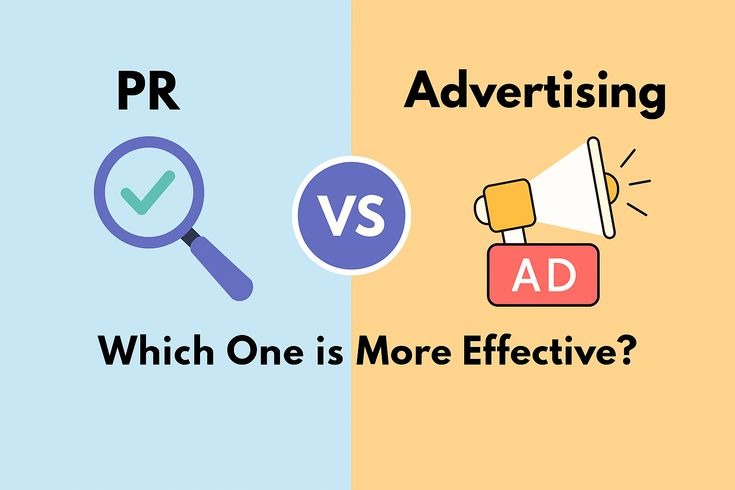
A promotional campaign may leverage banner ads, email marketing, social media placements, and product ads simultaneously.
Consider the advertisement of any product such as a fitness tracker. Standard advertising might focus on brand positioning: durability, accuracy, lifestyle integration.
Promotion advertising would focus on a limited-time 20% discount or bundled accessory offer.
In the broader framework of advertising and promotion, advertising builds brand equity while promotion accelerates purchasing behavior. Advertising shapes perception; promotion triggers decision.
Effective online advertising platforms allow brands to layer both approaches. For instance, retargeting ads—often executed through banner advertising networks—can reinforce awareness first, then introduce promotional ads once engagement thresholds are met.
This structured differentiation prevents wasted spend and ensures every advertising and promotion initiative aligns with either brand growth or revenue activation.
Promotion Advertising and Performance Acceleration
Promotion advertising is not simply advertising with a discount attached. It is a coordinated effort within advertising and promotion that leverages urgency, scarcity, or added value to influence buying decisions.
The psychology behind promotional ads aligns with behavioral economics principles, including loss aversion and scarcity bias.
Research from Harvard Business School highlights that limited-time offers significantly increase conversion rates because consumers perceive higher opportunity cost when delaying decisions.
Within online advertising, promotional ads frequently appear across social feeds, search engine results, and banner ads displayed on partner websites.
For e-commerce brands, pairing product ads with promotional extensions—such as price drop annotations—improves click-through performance.
Promotion advertising also extends to offline channels, but digital online advertising platforms amplify reach with measurable precision.
Campaign dashboards allow marketers to monitor return on ad spend (ROAS), cost per acquisition, and incremental lift in near real-time.
When integrated properly, advertising and promotion create a flywheel effect. Brand-focused campaigns generate awareness; promotional ads convert that awareness into transactions.
For businesses deciding which products to advertise, data becomes critical. High-margin items, seasonal inventory, and new launches often rank highest among optimal products to advertise during promotional cycles.
The advertisement of any product without strategic timing or audience segmentation reduces efficiency. Structured promotional advertising corrects that by aligning incentive with readiness to purchase.
Choosing the Right Channels and Formats
Not every channel contributes equally to advertising and promotion objectives. Selection depends on audience behavior, product type, and campaign goals.
Search-based online advertising excels at capturing demand. When users actively search for solutions, product ads in shopping formats place inventory directly in front of high-intent audiences.
According to Google Economic Impact reports businesses earn an average of $2 in revenue for every $1 spent on Google Ads—though performance varies by industry.
Display-based banner advertising serves a different role. It introduces brands to passive audiences browsing content.
Though average click-through rates may be modest, consistent exposure strengthens recognition over time.
Social media online advertising platforms combine awareness and engagement. Promotional ads within these environments often leverage behavioral targeting, ensuring relevance.
When planning advertising and promotion, brands must evaluate cost structure, bidding model, and scalability. Cost-per-click systems reward efficiency, while cost-per-impression models prioritize exposure.
The advertisement of any product benefits from a blended channel approach. A new product launch might use teaser banner ads, followed by conversion-focused product ads, and then reinforced by promotional ads offering introductory discounts.
This layered deployment maximizes reach while controlling spend, aligning tactical promotion with strategic advertising.
Measuring Impact and Sustaining Visibility
Effective advertising and promotion demand measurable benchmarks. Without metrics, optimization becomes guesswork.
Key performance indicators differ depending on objective. Advertising campaigns focused on awareness track impressions, reach, and brand lift studies. Promotional ads track conversion rates, revenue, and customer acquisition cost.
Most online advertising platforms provide attribution modeling tools to analyze multi-touch journeys.
Sustained brand visibility requires reinvestment and iteration. Creative fatigue can diminish banner ads performance over time. Refreshing visuals and messaging preserves engagement rates.
Within advertising and promotion, long-term consistency outperforms sporadic bursts. Data from Nielsen’s marketing effectiveness studies consistently shows that brands maintaining consistent share of voice outperform competitors in market share growth.
Choosing the right products to advertise also influences sustainability. Evergreen products support continuous campaigns. Seasonal products benefit from concentrated promotional advertising cycles.
The advertisement of any product should align with broader brand strategy. If visibility rises but brand perception declines due to aggressive or misleading promotional ads, long-term value erodes.
Transparency and compliance, reinforced by regulatory bodies like the FTC, protect credibility while executing advertising and promotion initiatives.
Integrating Advertising and Promotion for Scalable Growth

Scalable growth requires structured integration of advertising and promotion rather than isolated tactics. When brand-building advertising campaigns run parallel to performance-driven promotional ads, cumulative impact increases.
The synergy between awareness and incentive-based campaigns reduces acquisition cost over time. Consumers exposed repeatedly to a brand through online advertising become more responsive to promotional offers later.
Modern online advertising platforms allow segmentation based on behavioral signals. Brands can first deploy banner advertising to broad audiences, then retarget engaged users with product ads, and finally convert them using promotional ads featuring limited-time offers.
This sequential structure reflects how advertising and promotion complement one another. Advertising nurtures familiarity. Promotion captures momentum.
For organizations evaluating the advertisement of any product, prioritizing high-demand categories while testing emerging products to advertise ensures portfolio diversification.
Ultimately, effective advertising and promotion hinge on strategic alignment, measurable experimentation, and disciplined optimization.
When deployed cohesively across search, social, and display, these tactics transform brand visibility from occasional spikes into sustained market presence.
Consistent execution across online advertising platforms, supported by ethical standards and performance analytics, ensures that advertising and promotion remain not just activities—but growth systems engineered for long-term brand authority.
Conclusion
Brand visibility is not sustained by isolated campaigns or random bursts of exposure. It is built through disciplined, integrated advertising and promotion strategies that align long-term positioning with short-term performance objectives.
Advertising establishes presence, credibility, and recognition across markets. Promotion accelerates decision-making through urgency, incentives, and tactical activation.
When executed together, they create momentum that compounds over time.
Modern online advertising platforms have made this integration measurable. Businesses can deploy banner advertising to expand reach, launch highly targeted product ads to capture intent, and activate persuasive promotional ads to convert attention into revenue.
Whether planning the advertisement of any product or selecting high-impact products to advertise, the key lies in aligning channel, message, timing, and audience data within a cohesive framework.
Sustainable growth comes from consistency, optimization, and clarity of purpose. Brands that treat advertising and promotion as strategic systems—rather than disconnected activities—build stronger recall, lower acquisition costs, and greater competitive resilience.
In an environment where attention is fragmented and competition is relentless, structured advertising and promotion remain the most reliable pathway to measurable brand visibility and long-term market strength.