Local search has become one of the most important acquisition channels for small and medium-sized businesses. When customers search for services “near me,” the results they see are influenced heavily by local SEO signals and the quality of a business’s Google listing.
Businesses that actively optimize Google My Business gain a measurable advantage because they appear more frequently in map results, attract more clicks, and convert more local searchers into paying customers.
Google’s local algorithm evaluates a combination of relevance, distance, and prominence when deciding which businesses appear in the local pack.
This means that businesses that optimize Google My Business effectively are not simply filling out a profile; they are actively influencing how Google understands their services, reputation, and authority within a specific location.
Local search visibility depends on a structured approach that includes proper business profile optimization, strategic local SEO research, accurate local SEO data management, and consistent engagement with customers.
Businesses that combine these elements with a clear understanding of local ranking factors can significantly improve their visibility in Google Maps and standard search results.
Understanding how local SEO works and how to optimize Google My Business correctly is essential for companies that want to capture nearby customers who are actively searching for products or services.
When implemented properly, local SEO strategies increase search visibility, strengthen trust signals, and create a reliable pipeline of local leads.
Understanding Local SEO and How It Influences Local Ranking
Local SEO refers to the process of improving a business’s visibility in geographically related search results. When someone searches for a service in a specific area, search engines attempt to show the most relevant nearby businesses based on various ranking signals.
Businesses that optimize Google My Business correctly often appear in the “local pack,” which is the set of map-based listings displayed at the top of many local queries.
Local SEO is built on the idea that users searching for services within a location are likely to convert quickly. Someone searching “plumber in Chicago” or “best dentist near me” has immediate intent, which makes local search traffic extremely valuable.
Google relies on large volumes of local SEO data to determine which businesses should appear in these results.
This data includes business profile information, customer reviews, website content, local citations, and engagement metrics. Businesses that optimize Google My Business effectively provide Google with structured and trustworthy information about their services, location, and reputation.
Local ranking is determined through the interaction of multiple signals. Google’s official documentation explains that relevance, distance, and prominence determine which businesses appear in local search results.
According to Google’s own guidance on improving local ranking, businesses should maintain complete and accurate profiles while actively engaging with customers and updating information regularly.
Effective local SEO research involves identifying search queries that customers use when looking for nearby services.
These local SEO keywords typically include location modifiers such as city names, neighborhoods, or “near me” phrases. Businesses that integrate these keywords into their website and business profile create stronger relevance signals for search engines.
The importance of optimizing local profiles continues to increase as mobile search grows. Studies from BrightLocal indicate that a large percentage of consumers search online for local businesses every week, with many using Google Maps results to decide which company to contact.
When businesses consistently optimize Google My Business while aligning their website content with relevant local SEO keywords, they improve their chances of appearing in the top map listings where the majority of clicks occur.
The Three Pillars That Shape Local SEO Performance
Successful local SEO strategies rely on three foundational pillars that determine how search engines evaluate businesses in local search results.
Businesses that consistently optimize Google My Business often see improvements across these three ranking dimensions because each pillar strengthens Google’s understanding of the business’s relevance and authority.
Relevance and Accurate Business Information
Relevance describes how closely a business listing matches what a user is searching for. When businesses optimize Google My Business profiles with accurate categories, detailed service descriptions, and consistent information, they make it easier for Google to match their listing to relevant search queries.
The primary category selected inside Google My Business plays a critical role in determining which searches trigger a listing. For example, a company categorized as “HVAC contractor” will appear for different searches than one categorized as “air conditioning repair service.”
Choosing the correct primary category ensures that Google associates the business with the right service keywords.
Additional information such as services offered, business attributes, and location details, also contributes to relevance. Businesses that include detailed descriptions and regularly update their listings send stronger signals to the algorithm that their information is current and trustworthy.
Accurate business data across the internet strengthens these signals further. When directories, websites, and citations show consistent business names, addresses, and phone numbers, search engines have greater confidence in the information associated with the listing.
Distance and Geographic Proximity
Distance refers to how close a business is to the searcher or the location included in the search query. Even when businesses optimize Google My Business effectively, geographic proximity still plays an important role in determining which listings appear in search results.
Google calculates distance based on the address listed in the business profile and the location of the user performing the search. Businesses located closer to the searcher are more likely to appear in results when other ranking signals are similar.
Local SEO strategies, therefore, often include creating location-focused content and strengthening the geographic relevance of a business. Businesses with multiple service areas can improve visibility by creating dedicated landing pages for each location they serve and aligning those pages with local SEO keywords.
Distance also interacts with user behavior. If users frequently select a business listing and engage with it, Google interprets that behavior as a signal that the listing is relevant to nearby searchers.
Prominence and Reputation Signals
Prominence refers to the overall authority and reputation of a business, both online and offline. Businesses that actively optimize Google My Business profiles strengthen their prominence by collecting customer reviews, earning backlinks, and maintaining strong brand visibility across the web.
Customer reviews are among the most influential local ranking signals. Google’s algorithm evaluates both the number of reviews and the overall rating when determining which businesses deserve higher placement in local search results.
Businesses that respond to reviews also signal active engagement with customers. This behavior improves credibility and increases the likelihood that potential customers will trust the listing.
Prominence also includes mentions of the business across local directories, news websites, and social platforms. These citations reinforce a business’s presence and help search engines validate that the company is legitimate and established within its location.
Practical Steps to Optimize Google My Business for Higher Visibility
Businesses that want to dominate local search must implement a structured process to optimize Google My Business effectively. The platform, officially known as Google Business Profile, acts as the foundation of most local SEO strategies because it directly influences how businesses appear in Google Maps and local search results.
The first step to optimizing Google My Business is claiming and verifying the business listing. Verification confirms that the business is legitimate and allows owners to manage information that appears in search results.
Once verified, the next step is completing every available section of the profile. Businesses that optimize Google My Business thoroughly include detailed descriptions, service lists, business categories, contact information, and operating hours. A complete profile increases the likelihood that Google will display the listing for relevant searches.
High-quality images also improve engagement and ranking signals. Research from Google indicates that listings with photos receive more clicks, calls, and direction requests than profiles without visual content. Images of the storefront, interior, products, and team members create a more trustworthy and engaging listing.
Regular updates further strengthen visibility. Businesses that post updates, promotions, and announcements send fresh signals that their listing is active. These posts often appear in the knowledge panel when users view the business profile in search results.
Customer interaction is another critical component. Businesses that encourage satisfied customers to leave reviews and respond to those reviews demonstrate credibility and reliability. Reviews not only influence consumer decisions but also contribute directly to local ranking signals.
Local SEO research also plays an important role when businesses optimize Google My Business listings. By identifying local SEO keywords such as “emergency plumber Chicago” or “best coffee shop Brooklyn,” businesses can align their descriptions, services, and website content with the phrases potential customers actually search.
Local SEO Strategies That Strengthen Google My Business Performance
Strong local SEO strategies combine business profile optimization with broader search visibility efforts.
Businesses that consistently optimize Google My Business while supporting it with website optimization, citations, and content marketing achieve stronger local ranking performance.
One effective strategy is building local citations. Citations are mentions of a business’s name, address, and phone number across online directories and industry platforms.
Websites such as Yelp, Bing Places, and industry-specific directories help reinforce the credibility of local business information.
Consistent citation data ensures that search engines receive the same information from multiple sources.
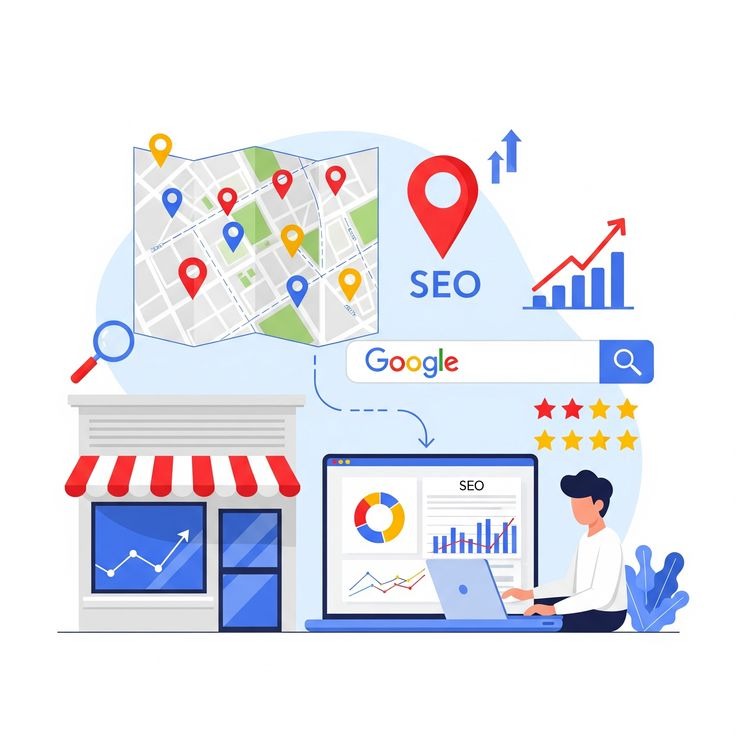
This consistency reduces confusion and strengthens trust signals that influence local ranking.
Another powerful strategy involves creating locally focused website content. Businesses that publish articles, guides, or service pages targeting location-specific queries improve their relevance for nearby searches.
For example, a roofing company might create pages optimized for “roof repair in Dallas” or “storm damage roofing services in Dallas.”
Backlinks from local organizations also strengthen local SEO authority. Partnerships with local newspapers, community groups, and business associations often lead to mentions that enhance online prominence.
Structured data markup further supports local SEO. Schema markup allows search engines to interpret important business information more clearly, which can improve how listings appear in search results.
When businesses combine these techniques with a well-optimized business profile, they reinforce every signal that helps Google evaluate relevance, distance, and prominence.
Best Local SEO Tools for Small Businesses
Small businesses often rely on specialized tools to gather local SEO data, track rankings, and identify opportunities for improvement. These tools help businesses analyze how their listings perform and identify gaps that may prevent them from appearing in local search results.
One widely used tool is BrightLocal, which offers comprehensive local SEO research features, including citation tracking, local ranking monitoring, and review management. Businesses can analyze how their Google listings perform compared to competitors and identify directories where their business information is missing.
Another popular platform is Moz Local, which focuses on citation consistency and listing distribution. It helps businesses ensure that their information appears accurately across major directories and search platforms.
Semrush also provides extensive local SEO features, including keyword research tools designed to identify location-based search queries. Businesses can analyze local SEO keywords and monitor how their website performs in regional search results.
Review management tools such as Whitespark, assist businesses in tracking customer feedback and identifying opportunities to earn more reviews. Since reviews strongly influence local ranking signals, tools that monitor review activity can significantly improve performance.
By using these tools alongside consistent efforts to optimize Google My Business, businesses gain deeper insights into how their local presence evolves and where improvements can produce the greatest impact.
How AI Is Transforming Local SEO Research and Optimization
Artificial intelligence is rapidly changing how businesses conduct local SEO research and manage their search presence. AI-powered tools analyze large volumes of local SEO data, identify keyword opportunities, and automate tasks that previously required manual analysis.
One of the most effective ways to use AI for local SEO is keyword discovery. AI-powered platforms can analyze search patterns within specific geographic regions and identify high-value local SEO keywords that businesses may not have considered.
AI can also analyze competitor listings to identify optimization gaps. By examining competing Google My Business profiles, AI tools can determine which categories, keywords, and content strategies contribute to higher local ranking positions.
Content generation tools powered by AI can assist businesses in producing location-focused website content that targets local SEO keywords. These tools help maintain a consistent publishing schedule while ensuring that pages remain optimized for relevant search queries.
AI-driven review analysis is another valuable application. Natural language processing algorithms can evaluate customer feedback and identify common themes related to service quality, pricing, or customer satisfaction. Businesses can use these insights to improve both their reputation and their listing content.
Predictive analytics also plays a growing role in local SEO. AI models analyze historical search data and forecast trends that may influence local demand. Businesses can use these insights to adjust their marketing strategies and optimize Google My Business listings ahead of seasonal shifts.
Building a Reliable Local SEO Checklist for Sustainable Growth
A structured local SEO checklist ensures that businesses maintain consistent optimization efforts over time.
Businesses that regularly review their profiles and website content maintain stronger local ranking signals because their information remains accurate and up to date.
A strong checklist typically begins with verifying that the business profile contains complete and accurate information.
This includes business categories, operating hours, contact details, and service descriptions. Businesses that routinely optimize Google My Business listings update these details whenever changes occur.
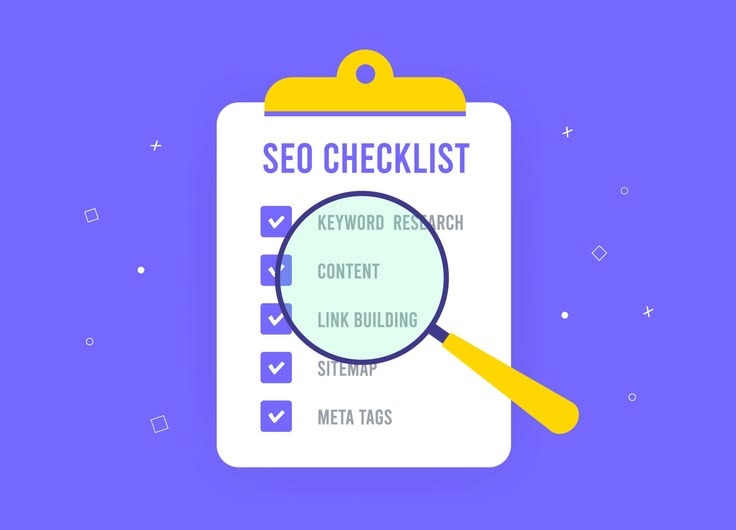
The checklist should also include monitoring customer reviews and responding promptly. Active review management signals engagement and builds trust with potential customers.
Regular citation audits are another essential component. Businesses should periodically verify that their name, address, and phone number remain consistent across all directories and platforms.
Website optimization tasks also belong on the checklist. These tasks include updating location-specific pages, improving internal linking, and ensuring that local SEO keywords appear naturally throughout relevant content.
Tracking local ranking performance helps businesses evaluate the effectiveness of their optimization efforts.
Monitoring tools provide insights into how listings perform for targeted search queries and whether competitors are gaining visibility.
When businesses consistently follow these steps while continuing to optimize Google My Business profiles, they build a stable foundation for long-term local search visibility.
Conclusion
Local search visibility is no longer optional for businesses that depend on nearby customers. Companies that actively optimize Google My Business listings while implementing comprehensive local SEO strategies gain a measurable advantage in search results.
Local SEO works because it aligns business information with the way customers search for services within specific locations. By maintaining accurate listings, collecting reviews, strengthening citations, and publishing location-focused content, businesses improve the signals that influence local ranking.
Tools, data analysis, and artificial intelligence are making it easier than ever to identify opportunities and refine optimization strategies. Businesses that embrace these resources while maintaining consistent optimization practices position themselves for sustainable growth.
When businesses approach local search with a structured strategy and continually optimize Google My Business profiles, they create a powerful foundation for visibility, credibility, and long-term customer acquisition.