In the shifting landscape of social media in 2026, TikTok algorithm changes are not just technical jargon, they represent a tectonic shift in how content is discovered, distributed, and monetized.
These changes, alongside evolutions in Instagram’s recommendation systems, are reshaping opportunities and risks for creators worldwide.
What was once a winning formula of posting frequency and trend chasing is giving way to platforms valuing niche relevance, depth of engagement, and strategic positioning across multiple environments.
Understanding these shifts and the compelling need for creator diversification is no longer optional; it’s essential for growth, resilience, and long-term career sustainability.
At the heart of these dynamics are algorithms themselves: complex recommendation engines that sort, serve, and amplify content based on thousands of signals, not simply follower count or surface-level engagement.
As TikTok algorithm changes continue to refine what “viral” actually means, and as Instagram adapts its own systems to compete, creators must think beyond single-platform strategies.
Diversification, across platforms, formats, and income streams, is quickly becoming the defining factor between creators who thrive and those whose influence atrophies under algorithmic pressure.
How Platforms Prioritize Different Signals and What That Means for Creators

Algorithm evolution on social platforms is not new, but the pace and direction of change in 2025 have accelerated dramatically.
TikTok’s recommendation engine, for example, has shifted away from unpredictable viral spikes toward behaviors that indicate meaningful viewer engagement.
In this new era, metrics like watch time, repeat views, and micro-niche resonance have more weight than ever before.
Creators who understand this shift are reconfiguring content strategies to align with how the platform evaluates success — essentially designing for sustained engagement rather than momentary attention.
Meanwhile, Instagram’s algorithm has also evolved. Recent feature updates give users visibility into what topics influence their Reels recommendations — indicating a move toward personalization and subject-based curation.
This reflects a broader industry trend: platforms are increasingly tailoring content distribution to nuanced user interests and dynamic behavioral data, rather than relying on simple follower counts or engagement tallies.
In other words, TikTok algorithm changes and Instagram’s recommender shifts highlight a shared reality: algorithmic feeds now focus on the quality and relevance of interactions rather than sheer volume.
For creators who built success on past patterns — high-frequency posting, trend-chasing, or broad appeal content — the new logic demands deeper audience understanding.
Diversifying content approaches across platforms mitigates risk and positions creators for reach irrespective of individual algorithm quirks.
The Practical Impact of Algorithm Shifts on Organic Reach
Organic reach on social platforms has been in decline for years, but recent algorithm updates have crystallized just how unpredictable it can be.
On Instagram, creators frequently report dramatic swings in performance — one post might reach hundreds of thousands of viewers one week and barely register the next.
These fluctuations aren’t random; they’re the result of algorithmic emphasis on Reels engagement, audience behavior patterns, and freshness signals that prioritise highly relevant content over broad distribution.
On TikTok, changes documented over late 2024 and 2025 show that optimization thresholds and search compatibility deeply influence how content surfaces.
The platform now rewards engagement continuity and niche specificity over broad trend adoption, and penalizes rehashed or cross-posted content from other platforms.
These TikTok algorithm changes underscore a deliberate shift: creators must produce content that resonates with specific audience segments and retains attention throughout the video to earn distribution.
This shift has palpable consequences. Traditional KPIs such as broad follower growth or likes become secondary to meaningful retention and niche appeal.
Creators who rely on a single platform or on techniques that once ‘gamed’ reach find themselves at a disadvantage.
Diversification, not just in content formats but across different platforms and revenue models, is critical to hedge against the unpredictability of any single algorithm.
Why TikTok’s Recommendation Logic Incentivizes Diverse Strategies
To unpack why diversification is essential, consider how TikTok algorithm changes have altered content discovery.
Early versions of the platform’s algorithm rewarded short, broadly appealing videos with rapid spikes in reach.
Today’s algorithm is substantially more sophisticated: it examines viewer intent, session depth, and niche relevance signals before recommending videos.
Creators whose content aligns with specific user interests see sustained organic distribution rather than one-off virality.
But here’s the crux: because TikTok now operates more like a personalized search engine than a random virality machine, creators must think like content strategists.
They’re being rewarded not for wide-net casting but for deep, community-specific contributions.
This shift reduces the value of “one-size-fits-all” content and increases the value of targeted, platform-native content — exactly the kind that might perform differently (or not at all) on Instagram or other social platforms.
Meanwhile, Instagram, through tools that let users customize their Reels feed topics, is moving toward an even more personalized content delivery system, making one-strategy fits all even less viable.
Consequently, creators who adopt diversified strategies — where content types, audience segments, and platform tactics are distinct — are better equipped to thrive as algorithms evolve.
The diversification mindset includes understanding platform behaviors, optimizing for different discovery paths, and tailoring content to both the strengths and limitations of each feed.
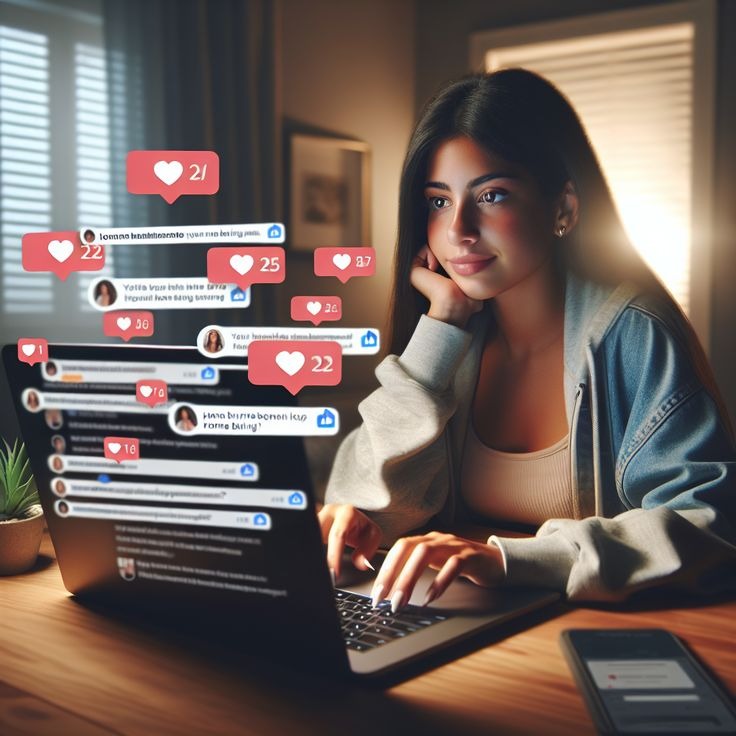
The Role of Niche Audiences and Community Engagement
One of the most tangible effects of TikTok algorithm changes is the algorithm’s preference for niche content.
Platforms increasingly elevate videos that resonate deeply with specific segments rather than broadly with everyone.
This is a profound shift: deep engagement signals are now more predictive of distribution than broad reach metrics.
This trend fosters more intimate community building.
For example, creators focusing on highly specific interests, whether a hobby, profession, or cultural niche, often see higher engagement because their audience is genuinely interested in that topic.
Algorithms detect this depth and reward it with sustained visibility. While this means fewer random viral hits, it also means creators build more loyal audiences that are easier to monetise and sustain over time.
This effect is visible both on TikTok and Instagram, albeit through slightly different mechanisms. Instagram’s reweighting of Reels and personalized feed signals encourages creators to become destination voices within specific content verticals.
Meanwhile, TikTok’s algorithm pairs niche-relevant videos with users likely to engage, increasing the lifetime visibility of focused content.
Balanced diversification across platforms lets creators tap into multiple niches and audience segments, reducing dependence on a single platform’s algorithmic whims.
Diversification as Protection Against Algorithm Dependency
For many creators, the dream of viral success was once tied to a single platform — often TikTok because of its historically open discovery engine.
However, TikTok algorithm changes have complicated that path.
TikTok’s growing emphasis on search behavior and retention means creators who once achieved fame through fleeting trends now need structural strategies to maintain visibility.
Diversification reduces the danger of platform dependency.
By building audiences across multiple environments — TikTok, Instagram Reels, YouTube Shorts, and even newsletters or subscription platforms — creators ensure that changes in one platform’s algorithm don’t cut off their reach entirely.
This strategy is not just about spreading content; it’s about building multiple audience anchors that can withstand shifts in distribution logic.
Moreover, income diversification, such as branching into affiliates, merchandise, sponsorships, or premium content, further decouples a creator’s livelihood from the unpredictability of algorithmic feeds.
Research shows that creators with multiple revenue streams are less vulnerable to fluctuations in any one income source and more likely to sustain viability year over year.
Cross-Platform Performance Insights: What Reality Shows Us
Data from creator reports highlight tangible benefits of multi-platform presence.
While TikTok often leads in frequency of creation and initial audience growth, Instagram remains a lucrative environment for brand partnerships and deeper monetization — especially through Reels and curated feeds.
Reports indicate substantial portions of creators name TikTok as their primary engagement driver and Instagram for monetization.
This is exactly the kind of complementary dynamic diversification captures. Where one algorithmic system might depress reach for certain content types, another might amplify it.
By understanding how TikTok algorithm changes and Instagram’s personalization tools shape discovery, creators can allocate content strategies appropriately — for example, using TikTok for brand awareness and Instagram for deeper audience connection or conversion-focused content.
This strategy naturally evolves into a broader ecosystem where content is repurposed and optimized for specific behaviors on each platform rather than posted identically everywhere.
Not only does this broaden visibility, it protects creators against platform-specific declines triggered by algorithmic reprioritisations.
Strategic Approaches to Content and Income Diversification
With TikTok algorithm changes reshaping discovery and Instagram’s evolving recommender systems influencing engagement, creators need strategic playbooks tailored to diversification.
These approaches are not simple hacks; they represent a deeper understanding of how platforms reward different kinds of interactions.
1. Platform-Native Content Creation
Each platform treats signals differently. TikTok prioritizes sustained attention and niche relevance. Instagram emphasizes engagement ratios and personalization signals.
Creating content designed specifically for platform logic — rather than reposting identical videos — leads to better long-term performance.
2. Multi-Format Storytelling
Rather than relying solely on short videos, layering content types — from Reels to longer videos, carousels, live sessions, and exclusive newsletters — helps brands and creators build varied touchpoints with audiences that aren’t dependent on a single algorithm loop.
3. Building Direct Audience Channels
Platforms like email newsletters, community forums, or subscription platforms provide direct access to audiences without intermediary algorithmic gatekeepers.
These channels become essential safety nets as algorithmic unpredictability rises.
4. Monetization Variety
Diversifying income — through sponsorships, affiliate programs, merchandise, courses, and fan subscriptions — insulates creators against revenue volatility tied to platform changes.
These streams often leverage the strong community bonds formed through diversified presence rather than just algorithmic reach.
Conclusion
The nature of TikTok algorithm changes and evolving discovery systems on Instagram underscore a simple truth:
Platforms will continue to evolve their recommendation engines, often prioritising engagement quality, personalization, and relevance over raw reach.
As these changes accelerate, the era of a single platform dictating a creator’s destiny is fading.
Creators who cultivate diversified audiences, tailor content to each environment, and broaden revenue streams will navigate algorithmic shifts with resilience.
This strategic diversification is the new baseline for success in 2026 and beyond — not an optional extra, but a core requirement for sustainable influence and income.
In this landscape, understanding platforms’ inner logic isn’t just useful; it’s essential.
TikTok algorithm changes are a symptom of larger evolution in how content connects with audiences, and creators who adapt strategically will define the next generation of digital influence.