Website advertising has slowly become one of the most dominant forces shaping how businesses grow online.
As consumer attention continues to shift toward digital spaces, brands that rely on visibility, relevance, and measurable performance are leaning harder into the advantages of website advertising to stay competitive.
In 2026, this isn’t about chasing trends or experimenting blindly. It’s about using proven advertising systems that place your message directly in front of users who are already browsing, researching, and making purchase decisions.
Unlike traditional media, web advertising operates in an environment where intent, data, and timing intersect.
Ads appear alongside content people actively consume, whether through display placements, banner ads, native integrations, or retargeting campaigns.
This context matters. It influences click-through rates, conversion behavior, and overall return on ad spend.
Businesses are no longer paying just to be seen; they’re paying to be seen by the right audience under conditions that support action.
What makes website advertising especially powerful is control. Advertisers choose budgets, targeting parameters, formats, and performance goals, then adjust them in real time based on results.
That flexibility, combined with precise tracking, turns advertising from a fixed expense into a scalable growth lever.
As competition intensifies and margins tighten, understanding why website advertising works — and where its real advantages lie — becomes less optional and more foundational to sustainable digital growth.
Why Website Advertising Matters More Than Ever
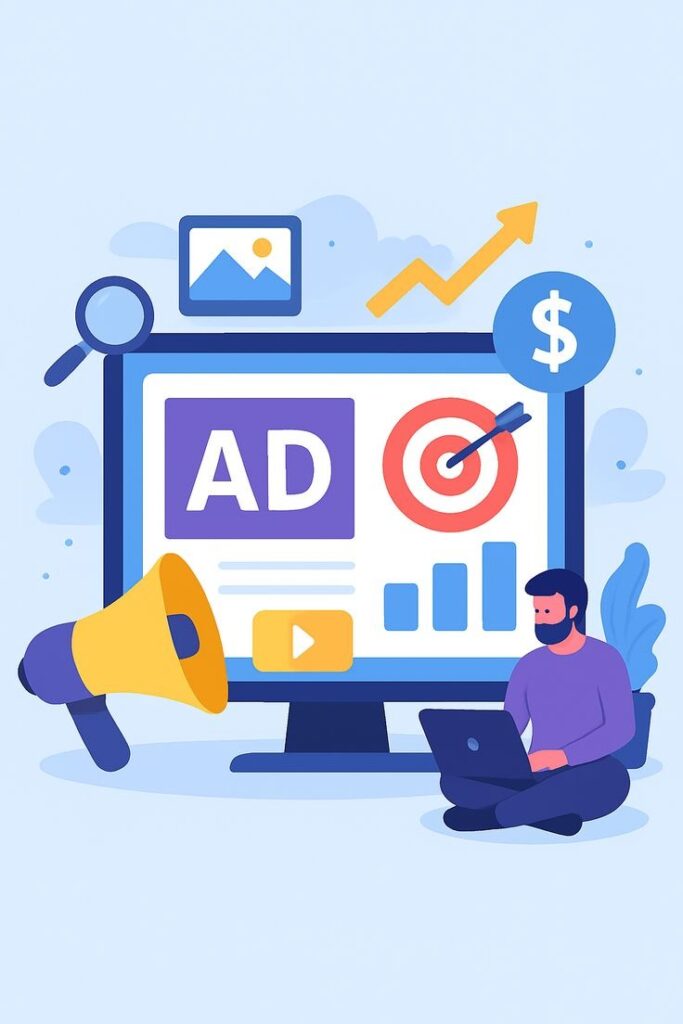
Website advertising, which is a cornerstone of digital strategy, refers to any promotional activity that places marketing messages on websites or within digital platforms.
From classic banner ads and display campaigns to native placements, search ads, and dynamic retargeting, this ecosystem has matured beyond basic awareness to deliver precise business outcomes.
The strategic power here lies not just in visibility but in intent-driven engagement. A well-executed web advertising campaign can take a visitor from passive viewer to active customer far faster than traditional channels ever could.
One of the most striking advantages of website advertising is its unparalleled ability to reach global audiences while still mastering local precision.
Unlike offline mediums like print or broadcast, online advertising breaks through geographic boundaries effortlessly — putting products, services, and brand messages in front of users from Lagos to London simultaneously.
That’s a core online advertising benefit: reach without traditional overhead, scaled with precision and optimized for relevance.
Moreover, platforms like search engines, social networks, and programmatic networks provide real-time analytics, giving advertisers immediate feedback on impressions, clicks, conversions, and cost per action.
This data transparency transforms paid campaigns from guesswork into strategic insight, allowing dynamic optimization that directly impacts ROI.
At a headline level, the strategic advantage isn’t simply that more people see your ad — it’s that you control who sees it, how often, and how your budget supports business goals with measurable outcomes.
That’s why web advertising remains a central investment for companies aiming for explosive ROI in 2026.
Core Web Advertising Advantages That Drive Growth
Understanding the web advertising advantages means recognizing how each benefit contributes to broader business goals.
First among these is precise audience targeting, which platforms enable through demographic, behavioral, and interest-based segmentation.
Advanced targeting reduces wasted impressions and positions ads in front of users most likely to engage or convert — a foundational web advertising benefit that drives efficiency.
Another core advantage is cost-effective scaling. Digital campaigns allow advertisers to set budgets, choose pricing models such as PPC (pay-per-click) or CPM (cost-per-thousand impressions), and adjust spend with immediate effect.
This means you are paying for performance and not simply exposure. Such models contrast sharply with traditional media, where hefty upfront fees often come with limited insight into actual results.
Then there’s measurable performance. Websites and ad servers provide metrics for every campaign: how many saw the ad, how many clicked, what actions they took after clicking, and even whether they completed a purchase or lead form.
These insights help refine creative, audiences, and spending in real time — ensuring your campaigns aren’t just running, but improving.
Brand awareness, another crucial benefit, emerges from repeated exposure. Web ads — especially banner ads on high-traffic sites — boost visibility and recognition across relevant audiences.
Strategic use of visuals and compelling messaging reinforces brand identity and positions your offer in the minds of users long before they convert.
Altogether, these advantages mean that web advertising isn’t just about ads — it’s about actions and results driven by data, flexibility, and continuous optimization.
Banner Ads and Creative Formats: Visibility Meets Precision
Among the many benefits of web advertising, banner ads hold a special place because they combine visual appeal with measurable performance.
Historically one of the first forms of online advertising, banners continue to deliver brand lift and engagement when executed well.
High-impact banners placed on relevant websites draw attention, cultivate familiarity, and encourage clicks that move users deeper into your conversion path.
The value proposition behind banners isn’t just visibility — it’s strategic placement.
When a banner appears alongside content that aligns with user interests, it strengthens relevance and increases the likelihood of interaction.
Display campaigns can also be tailored to demographics and retargeting criteria, meaning your banners are seen by those who have already demonstrated interest in your brand or category.
Moreover, modern banner formats are far from static. Interactive banners — whether animated, click-rich, or responsive to device types — offer engagement opportunities that traditional display ads could only dream of.
These formats provide measurable clicks, hover metrics, and conversion data, helping marketers refine their approach and maximize ROI.
Adding to their versatility, banners can work seamlessly with native ads and sponsored content, providing a cohesive ecosystem that supports broader campaign goals.
When integrated thoughtfully, banner ads boost not just impressions but brand affinity and deeper funnel progression — all measurable and adjustable in real time.
Five Core Benefits That Define ROI for Advertisers
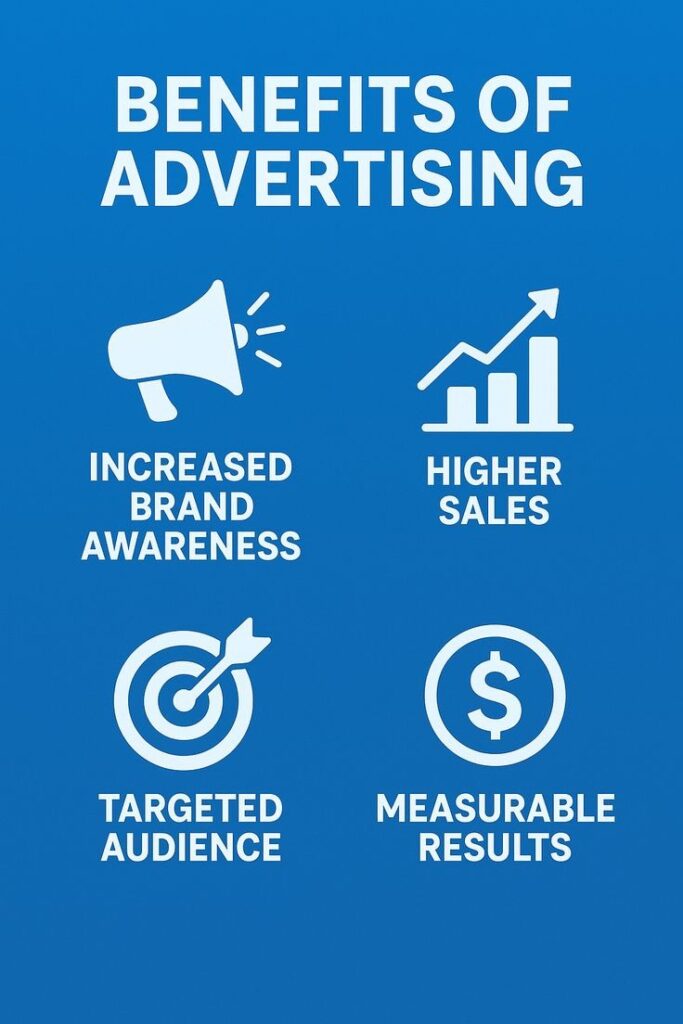
When dissecting advantages of website advertising for business growth, five key benefits stand out: audience reach, targeted engagement, cost efficiency, measurability, and flexibility.
Each of these works together to deliver the explosive ROI today’s marketers demand.
#1. Audience Reach and Precision: Digital ads reach audiences globally while allowing hyper-specific targeting.
Whether you’re focusing on local customers or international segments, online advertising delivers messages where they matter most.
#2. Targeted Engagement: By leveraging behavioral and demographic data, ads are shown to users likely to respond with interest. Retargeting further increases conversions by reconnecting with visitors who’ve already engaged with your content.
#3. Cost Efficiency: With controllable budgets and performance-based payment models like PPC and CPM, advertisers get more value per dollar spent compared to traditional media.
#4. Measurability and Insight: The ability to track clicks, conversions, impressions, and ROI in real time means campaigns can be refined for efficiency and impact.
#5. Flexibility and Agility: Campaigns can be launched, paused, or modified instantly. In a fast-moving market, this adaptability is indispensable.
Together, these five pillars form a powerful framework for understanding how web advertising delivers profitable outcomes, fosters growth, and supports long-term strategic objectives.
How Websites Earn Money Through Advertising
Beyond brand campaigns, many websites themselves generate revenue from ads, turning traffic into income.
A primary mechanism for this is advertising networks like Google AdSense, which place banner ads and other display formats on publisher sites.
Publishers earn money either through impressions (views) or clicks, depending on the agreement with the ad network.
For example, if a blog earns impressions from users who view a banner placed through a network, the publisher receives a portion of the ad fee based on CPM (cost per mille).
Alternatively, if users click the ad — often tracked through PPC models — the publisher earns a share of that click revenue.
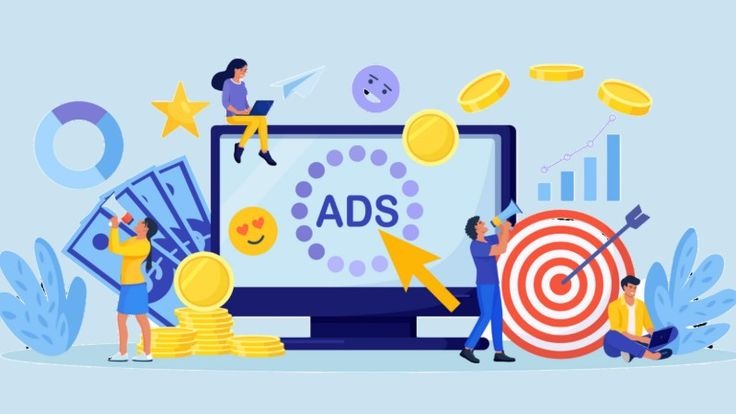
This monetization approach turns a content site into a revenue generator without selling a product directly.
Advanced publishers also leverage programmatic advertising and real-time bidding, where ad inventory is auctioned in milliseconds to the highest bidder.
This automated model helps maximize revenue by ensuring that advertisers pay competitive prices for impressions.
Beyond direct ad placements, websites earn through sponsored content, affiliate partnerships, and partnerships with brands that pay for visibility and lead generation.
In this revenue ecosystem, online banner ads and web advertising formats are foundational — turning traffic into tangible income while supporting broader digital strategies.
The Future of Web Advertising in 2026
Looking ahead, the advantages of website advertising will continue to evolve with technology.
AI-powered creative optimization, deeper integration with e-commerce platforms, and advancements in privacy-preserving data will shape how ads perform and how advertisers measure success.
The demand for personalized user experiences will elevate web advertising from mass broadcast to highly relevant one-to-one engagement.
Emerging trends include smarter programmatic systems that dynamically adjust bids and placements based on real-time performance data, making each advertising dollar work harder.
Interactive formats — such as video and augmented reality display ads — will further enhance engagement and strengthen conversion paths.
Importantly, as privacy regulations evolve, marketers will need to balance targeting precision with ethical data usage — ensuring that web advertising advantages remain effective without compromising user trust.
Those who master this balance will unlock unprecedented ROI and cement their position in an increasingly data-driven marketplace.
Conclusion
Website advertising continues to earn its place at the center of digital growth strategies because it aligns visibility with performance.
The advantages of website advertising are not theoretical or trend-driven; they are rooted in control, measurability, and relevance.
Businesses can decide who sees their ads, where those ads appear, how much is spent, and what success looks like — then adjust everything based on real data, not assumptions.
As online advertising evolves in 2026, the gap widens between brands that treat web advertising as a strategic system and those that treat it as a one-off tactic.
Banner ads, display placements, and other web advertising formats still play a meaningful role, especially when paired with strong targeting and clear messaging.
When executed properly, these formats support awareness, drive consistent traffic, and contribute directly to revenue generation.
More importantly, website advertising scales with the business. It works for small brands testing demand and for established companies optimizing return on ad spend across multiple channels.
The ability to track performance, refine campaigns, and allocate budgets intelligently makes it one of the few advertising models where growth and accountability coexist.
In a market defined by competition and shrinking attention spans, website advertising remains a practical, data-driven way to turn visibility into measurable business outcomes.