A clear strategy in 2026 demands precision in how businesses approach advertising and promotion.
While the terms are often used interchangeably, they operate at different levels of the marketing process.
Understanding how they connect—and where they diverge—determines how brands allocate budgets, select online advertising platforms, design promotional ads, and choose the right products to advertise.
Promotion and advertising examples reveal how structured communication drives measurable outcomes.
Advertising refers to paid, controlled messaging distributed through channels such as television, radio, print, Internet advertising, and website advertising.
Promotion is broader. It includes advertising, but also incorporates public relations, sales promotion, personal selling, and direct marketing within the promotional mix framework defined by the American Marketing Association (AMA) in its marketing definitions archive.
In practical terms, an advertisement of any product on a search engine differs from a limited-time discount campaign in a retail store.
Both aim to influence consumer behavior, but they operate under different tactical structures.
As digital ecosystems expand and online advertising dominates global ad spend, the need for clarity has intensified.
Promotion and advertising examples demonstrate how organizations build awareness, stimulate demand, and generate revenue using structured communication tools across traditional and digital channels.
What Is Considered Advertising and Promotion?

Advertising is defined as paid, non-personal communication distributed through identified sponsors to promote products, services, or ideas.
The Federal Trade Commission (FTC) distinguishes advertising as sponsored messaging that must be clearly disclosed when compensation is involved.
Key characteristics include payment for placement, message control by the advertiser, and mass distribution through media channels.
Online advertising has transformed this definition but not its fundamentals.
Banner advertising, search engine product ads, social media sponsored posts, and video pre-roll campaigns all qualify because they involve paid placements controlled by the advertiser.
Banner ads displayed across website advertising networks are classic examples of Internet advertising in practice.
Whether a company runs Google Search product ads for products to advertise or places promotional ads inside social media feeds, the core structure remains consistent: payment secures distribution.
Promotion, by contrast, encompasses all communication activities intended to inform, persuade, or remind target audiences about offerings.
According to foundational marketing literature by Philip Kotler, the promotional mix consists of advertising, sales promotion, public relations, direct marketing, and personal selling.
Advertising and promotion therefore function hierarchically—advertising sits inside the broader promotional framework.
Promotion includes short-term incentives such as coupons, trade discounts, rebates, and event sponsorships. It also includes digital tactics like email campaigns, influencer collaborations, and loyalty programs.
When a retailer launches a buy-one-get-one campaign supported by banner ads and online advertising platforms, both the paid ads and the discount offer form part of a unified promotional strategy.
Promotion and advertising examples clarify this relationship: advertising distributes the message; promotion coordinates all persuasive tools to achieve strategic goals.
What Are Examples of Promotional Advertising?
Promotional advertising blends brand messaging with incentive-driven calls to action. It is advertising that directly supports a promotional objective, often short-term in nature.
Examples include limited-time product ads highlighting seasonal discounts, clearance campaigns promoted through online advertising, and banner advertising for flash sales.
A clear example is a retailer running Google Shopping product ads during Black Friday. The ad placement itself is advertising.
The time-sensitive 40% discount is the promotional element. Together, they form promotional ads designed to accelerate conversions.
The Interactive Advertising Bureau (IAB) defines such digital placements within performance advertising categories.
Another example involves subscription platforms offering a “first month free” campaign promoted via Internet advertising. The website advertising component drives traffic; the free trial constitutes the promotional incentive.
Similarly, ecommerce brands frequently deploy banner ads across ad networks promoting coupon codes. These promotional ads are measurable, scalable, and optimized using online advertising platforms.
Offline equivalents also qualify. A television commercial announcing a limited-time financing offer for automobiles is promotional advertising.
The broadcast slot is paid advertising. The financing incentive is sales promotion.
Promotion and advertising examples of this type illustrate how short-term offers are amplified through paid media distribution to maximize reach and conversion velocity.
What Is an Example of Advertising vs Promotion?
A straightforward distinction can be observed in a product launch scenario. Suppose a technology company introduces a new smartphone.
A series of YouTube pre-roll video ads explaining features, pricing, and availability constitutes advertising. The messaging is controlled, paid for, and distributed through online advertising platforms.
Now consider a launch-day bundle that includes free accessories for early buyers. That bundle is a sales promotion.
It is not media placement; it is a value-added incentive designed to stimulate purchase behavior. If the bundle is promoted through banner ads and Internet advertising, those placements remain advertising, while the incentive remains promotion.
Another illustration involves a supermarket chain. Running weekly banner advertising promoting “Fresh Produce Delivered Daily” is advertising.
Offering a buy-one-get-one free deal on produce is promotion. When the BOGO deal is featured in promotional ads online, both mechanisms operate together.
The same distinction applies to website advertising campaigns for products to advertise. Paid display placements that introduce a product category represent advertising.
A loyalty rewards program introduced to retain customers represents promotion.
Promotion and advertising examples show that advertising communicates value, while promotion temporarily enhances value to influence buying decisions.
What Are Some Examples of Promotion?
Promotion includes a wide spectrum of tactical tools beyond advertising. Sales promotions such as coupons, rebates, loyalty points, free samples, and limited-time discounts are widely used in both retail and ecommerce environments.
The U.S. Bureau of Labor Statistics tracks price promotions as part of consumer purchasing behavior analysis, underscoring their economic significance.
Public relations efforts also fall under promotion. Press releases, media outreach, and sponsorship announcements build credibility without direct payment for placement.
Influencer collaborations, when compensated and disclosed under FTC guidelines, combine elements of promotion and advertising.
Direct marketing campaigns represent another category. Email sequences promoting products to advertise, SMS offers, and personalized product ads delivered through retargeting systems are promotional tactics executed digitally.
Personal selling completes the promotional mix. Business-to-business companies often rely on sales representatives conducting direct presentations.
In this case, the promotional element is the interpersonal communication rather than banner ads or online advertising.
Promotion and advertising examples across these channels demonstrate that promotion extends beyond paid media to encompass every structured persuasive interaction between brand and audience.
What Is the Difference Between Advertising and Promotion?
The primary difference lies in scope. Advertising is a subset of promotion. Promotion is the broader strategic category within the marketing mix. Advertising and promotion therefore differ in scale, function, and tactical diversity.
Advertising is paid media communication. It involves clear sponsorship, controlled messaging, and placement across channels such as television, radio, print, banner advertising, and Internet advertising.
Its objectives include brand awareness, information dissemination, and persuasive messaging.
Promotion encompasses advertising but also includes sales incentives, public relations, direct outreach, and personal selling.
Advertising can operate independently as a branding mechanism, while promotion typically integrates multiple tools to stimulate demand.
From a budgetary standpoint, advertising often requires media spend allocated to online advertising platforms or traditional broadcasters.
Sales promotion expenses may include discount margins, loyalty rewards, or bundled product costs. While both fall under advertising and promotion budgets, their financial structures differ.
Promotion and advertising examples demonstrate that advertising focuses on communication distribution, whereas promotion coordinates incentives and communication tools to influence behavior more comprehensively.
Is Advertising a Part of Promotion?
Advertising is formally recognized as one component of the promotional mix. Academic marketing frameworks consistently position advertising alongside sales promotion, public relations, direct marketing, and personal selling.
The Chartered Institute of Marketing outlines this structure in its marketing fundamentals resources.
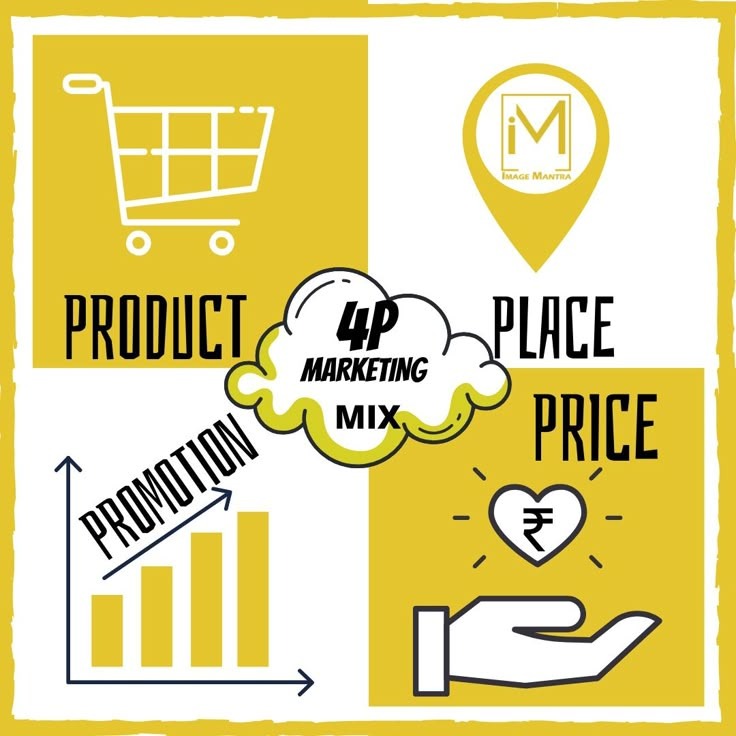
Within this framework, promotion functions as a category inside the broader marketing mix, which includes product, price, place, and promotion—the classic “4Ps” introduced by E. Jerome McCarthy. Advertising sits inside the promotion element.
When a company deploys online advertising, banner ads, or product ads, it is executing one tool within the promotional system.
If that same company simultaneously runs a loyalty rewards campaign and a public relations initiative, those tactics collectively represent promotion.
Promotion and advertising examples reinforce this structural hierarchy. Advertising distributes messages through paid channels. Promotion integrates advertising with additional persuasion tools to achieve strategic marketing objectives.
What Are the 4 Types of Promotion?
Traditional marketing literature identifies four primary categories of promotion: advertising, sales promotion, public relations, and personal selling. Many modern frameworks include direct marketing as a fifth, but the core four remain foundational.
Advertising includes online advertising, banner advertising, television commercials, print media placements, and website advertising campaigns. These are paid communications designed for mass distribution.
Sales promotion involves short-term incentives such as discounts, rebates, free trials, and promotional ads highlighting limited-time offers. Ecommerce flash sales amplified through Internet advertising exemplify this category.
Public relations focuses on earned media exposure and reputation management. Press coverage, corporate announcements, and sponsorship activities build brand credibility without purchasing media placement directly.
Personal selling involves direct interaction between sales representatives and prospects. Business-to-business product demonstrations and consultative sales meetings fall into this category.
Promotion and advertising examples across these four categories illustrate how brands coordinate communication strategies across diverse channels to maximize reach and influence.
What Are the 4 Types of Advertising?
Advertising is commonly categorized into four primary types: informative, persuasive, reminder, and comparative advertising.
Informative advertising introduces new products to advertise and explains features or benefits. Product ads for innovative technology often fall into this category.
Persuasive advertising attempts to shift consumer preference. Promotional ads emphasizing superior quality or performance exemplify persuasive strategy.
Reminder advertising maintains brand awareness over time. Banner ads reinforcing brand recognition without introducing new incentives represent reminder campaigns.
Comparative advertising directly contrasts one brand against another. The FTC regulates truthfulness in comparative claims, requiring substantiated evidence.
Online advertising platforms enable all four forms through targeted placements. Internet advertising has expanded the reach and measurement precision of each category, particularly in website advertising and banner advertising ecosystems.
Promotion and advertising examples in each type demonstrate how message intent shapes execution strategy.
What Are the Similarities Between Advertising and Promotion?
Advertising and promotion share core objectives: influencing consumer behavior, increasing awareness, and generating sales. Both rely on structured messaging, strategic planning, and measurable outcomes.
Both operate within the broader marketing mix and require budget allocation. Both use data analytics to measure return on investment.
Online advertising metrics such as click-through rate and conversion rate apply equally when supporting promotional campaigns.
Both can incorporate digital channels. Internet advertising supports promotional incentives. Website advertising placements can amplify sales promotions. Promotional ads often depend on banner ads or product ads to distribute offers at scale.
Most importantly, both function together in integrated marketing communications strategies. According to the American Association of Advertising Agencies (4A’s), coordinated messaging across channels strengthens campaign effectiveness.
Promotion and advertising examples consistently show that neither operates effectively in isolation at scale.
Advertising provides reach. Promotion provides incentive and strategic alignment. Together, they form the communication engine that drives modern commerce in 2026.
Real-World Promotion and Advertising Examples from Global Brands
Theory explains structure. Execution proves it. The clearest way to understand how advertising and promotion function in 2026 is to examine real campaigns from globally recognized brands.
These promotion and advertising examples show how paid media, incentives, public relations, and digital distribution work together inside modern marketing systems.
Nike: Pure Advertising at Scale
When launching a new Air Max line, it typically invests heavily in online advertising across YouTube, Instagram, and programmatic display networks.
These placements include cinematic video product ads, homepage takeovers, and banner advertising across sports media websites.
There is no discount attached. No coupon. No rebate. The objective is brand positioning and product awareness. The messaging is controlled, paid, and distributed through online advertising platforms.
This is advertising in its purest form. It qualifies as Internet advertising and website advertising because Nike pays for placement and controls the creative.
These promotion and advertising examples demonstrate how awareness campaigns differ from short-term incentive strategies.
Starbucks: Sales Promotion in Action
Starbucks regularly runs “Double Stars Day” inside its rewards ecosystem. Customers earn twice the loyalty points for purchases made within a specific timeframe.
That incentive is sales promotion. It is designed to increase transaction frequency immediately. No media buy is required for it to qualify as promotion.
However, when Starbucks uses promotional ads on Instagram or deploys banner ads inside mobile apps to remind customers of Double Stars Day, those placements become advertising supporting a promotional campaign.
These promotion and advertising examples clarify how advertising distributes the message, while promotion provides the incentive.
Apple: Advertising vs Promotion in a Product Launch
During a new iPhone release, Apple executes a multi-layered strategy.
First, Apple runs global product ads across YouTube, streaming services, and premium website advertising placements. These ads highlight camera upgrades, chip performance, and design enhancements. This is advertising.
Second, Apple introduces limited-time trade-in credits for older devices. That is a promotion. The trade-in offer enhances value temporarily to stimulate purchase decisions.
When Apple uses banner advertising or Google Shopping placements to push the trade-in offer, those are promotional ads — advertising used to amplify a promotional incentive.
Among modern promotion and advertising examples, Apple’s launches show how brand authority and incentive tactics operate simultaneously.
Amazon Prime Day: Integrated Promotional Advertising
Prime Day is one of the most recognizable global promotion and advertising examples.
The event itself is a large-scale sales promotion: limited-time discounts across thousands of products to advertise. The urgency and exclusivity are promotional tools.
To drive participation, Amazon invests heavily in online advertising, including display banner ads, homepage takeovers, YouTube pre-roll placements, and sponsored product ads within its own ecosystem.
Prime Day email campaigns, push notifications, and influencer partnerships further expand reach.
This illustrates the full hierarchy:
#1. Promotion: Limited-time price reductions
#2. Advertising: Paid media placements promoting those discounts
#3. Advertising and promotion working together to generate record-breaking revenue
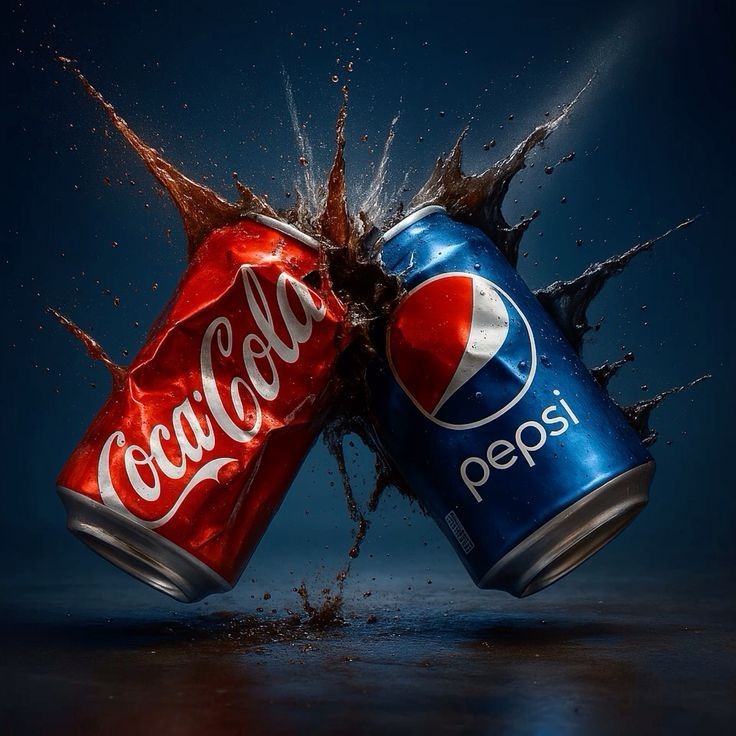
Coca-Cola vs Pepsi: Comparative Advertising
Comparative advertising remains a defined advertising type under FTC truth-in-advertising guidelines
Both Coca-Cola and Pepsi has historically run campaigns directly referencing, positioning itself as the preferred taste alternative.
These are paid product ads with controlled messaging. There is no short-term discount attached. Therefore, this qualifies strictly as advertising, not promotion.
This category appears frequently in promotion and advertising examples because it demonstrates persuasive strategy without incentive-based tactics.
Tesla: Publicity Within the Promotional Mix
Tesla often generates massive press coverage through product announcements and executive communications without purchasing traditional media placements.
Media coverage from major publications functions as publicity. Publicity is part of promotion but not advertising because it is earned rather than paid.
If Tesla later runs banner ads promoting preorder availability, those become advertising. The original press coverage remains promotional through public relations.
These promotion and advertising examples show that not all persuasive communication requires media spend.
Shopify Brands: Digital-First Promotional Systems
Modern ecommerce brands frequently combine Internet advertising and sales promotion in tightly integrated funnels.
A typical Shopify brand might:
#1. Run Google Shopping product ads (advertising)
#2. Deploy retargeting banner ads (advertising)
#3. Offer 15% off first purchase via popup (promotion)
#4. Send follow-up discount emails (promotion)
The online advertising platforms distribute traffic. The promotional offer converts it.
This ecosystem is one of the clearest promotion and advertising examples in digital commerce because it demonstrates measurable cause and effect across website advertising channels.
What These Real-World Cases Reveal
Across industries — retail, technology, automotive, beverage, and ecommerce — promotion and advertising examples consistently reveal the same structure:
Advertising:
#1. Paid placement
#2. Message control
#3. Distribution through online advertising or traditional media
Promotion:
#1. Incentives
#2. Relationship-building tools
#3. Broader strategic coordination
When promotional ads combine both, the result is accelerated performance.
These real-world promotion and advertising examples confirm that clarity between advertising and promotion is not academic theory.
It directly impacts how brands structure campaigns, allocate budgets, and scale growth in 2026.
Conclusion
Promotion and advertising examples clarify how structured communication systems operate across digital and traditional channels.
Advertising remains the paid distribution mechanism powering online advertising, banner ads, product ads, and Internet advertising across website advertising ecosystems.
Promotion encompasses advertising while integrating sales incentives, public relations, and personal selling to shape purchasing behavior.
In 2026, effective advertising and promotion strategies rely heavily on online advertising platforms, measurable digital channels, and coordinated campaign design.
Whether launching products to advertise globally or executing localized promotional ads, organizations that understand the distinctions and overlaps between advertising and promotion allocate resources more effectively and generate stronger outcomes.
Promotion and advertising examples demonstrate that clarity in definition leads to precision in execution.
Businesses that treat advertising as one tool within a comprehensive promotional strategy position themselves for sustained competitive advantage in an increasingly digital marketplace.